Theology, culture, music, politics, fitness. And those last four have a lot to do with the first one.
Showing posts with label Film Reviews. Show all posts
Thursday, February 16, 2017
Review: Rogue One
It's been a long time since my last film review, but this one is worth coming out of hibernation for. The reception for the latest installment of the Star Wars saga has been overwhelmingly positive, and the film will obviously have significant cultural reach, so like a cargo shuttle from a spacecraft of dubious intent it deserves a close inspection before being provided a docking bay in our homes and hearts.
THIS REVIEW MAY CONTAIN SPOILERS
The Good
The Worldview
There are plenty of good lessons to take away from this movie:
- It is good to have the courage to sacrifice ourselves for others and/or a cause greater than ourselves (and here the Christian worldview provides the only cause worth dying for; our heroes are dying for arbitrary values, but their courage is still commendable) - John 15:13
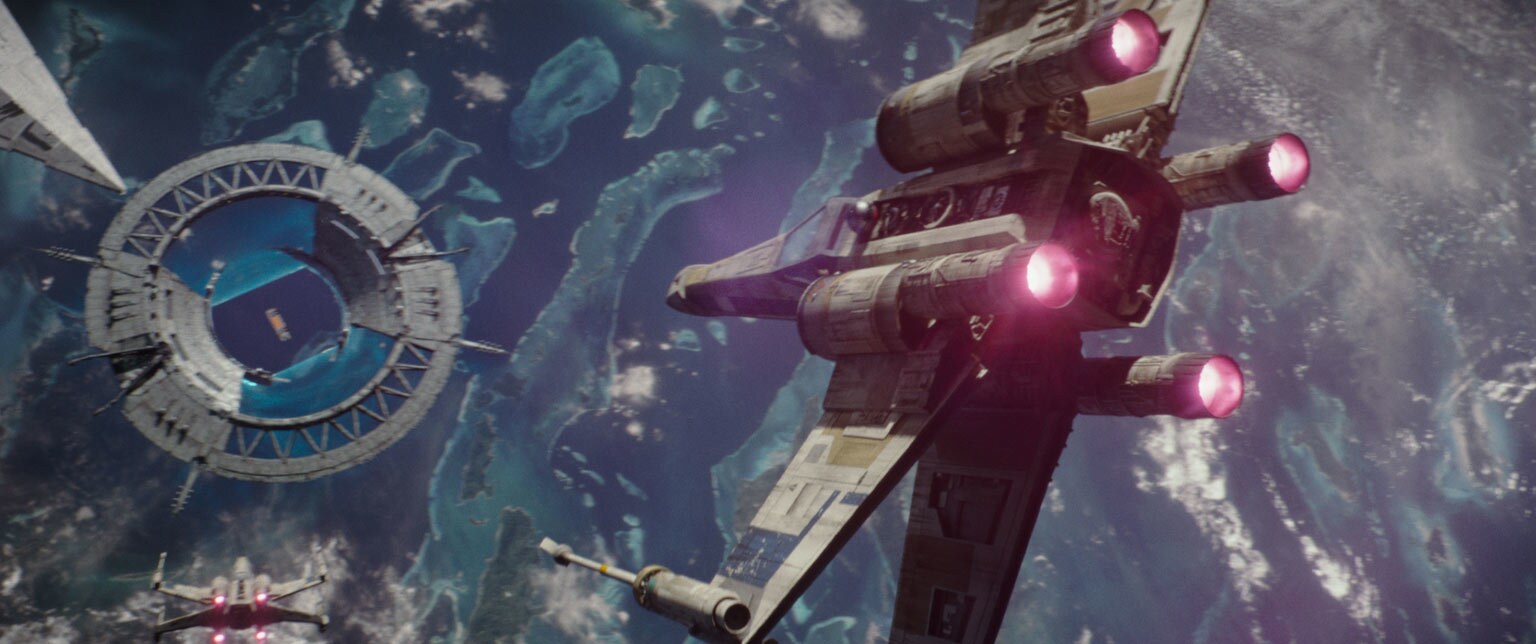
- Tyrannical regimes that centralize power in the name of peace are bad and should be resisted; liberty is good and should be defended - Neh. 4:14
- Family relationships are good and parents should take care of their children - 1 Tim. 5:8
- Trust has to be earned - Pr. 20:6
The Art
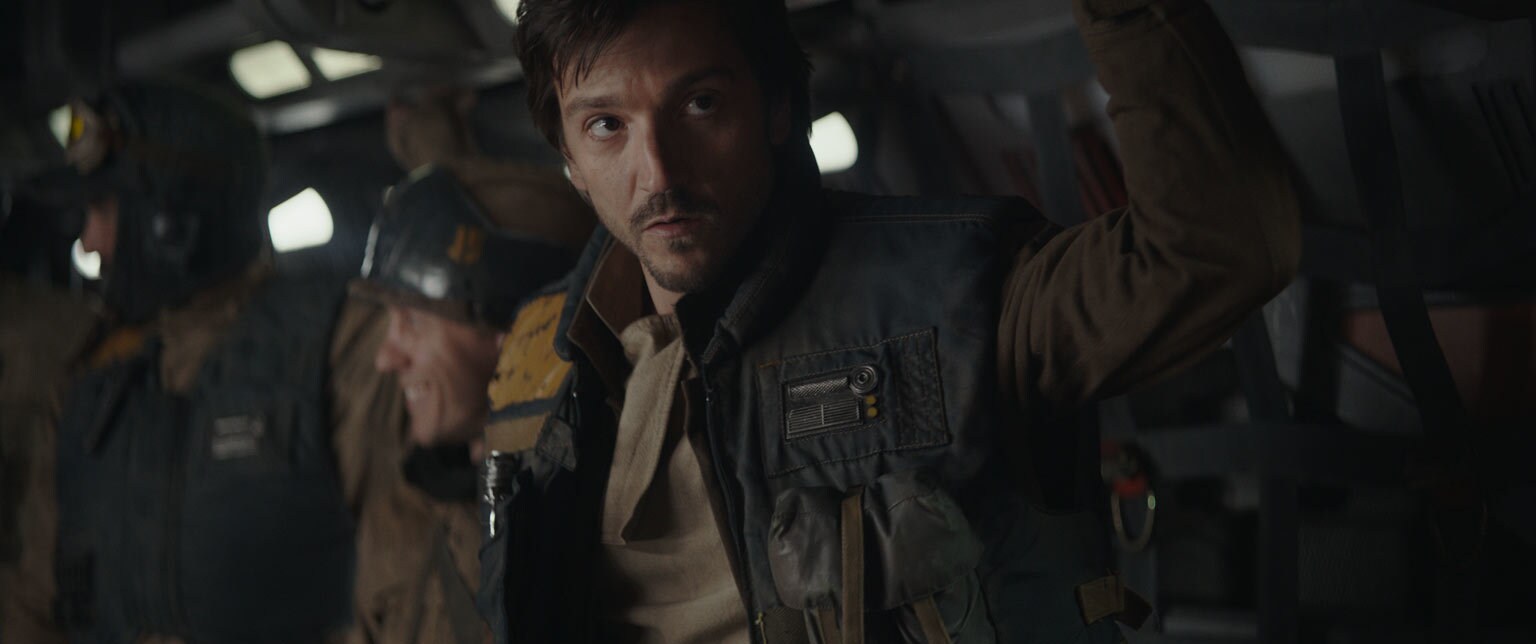
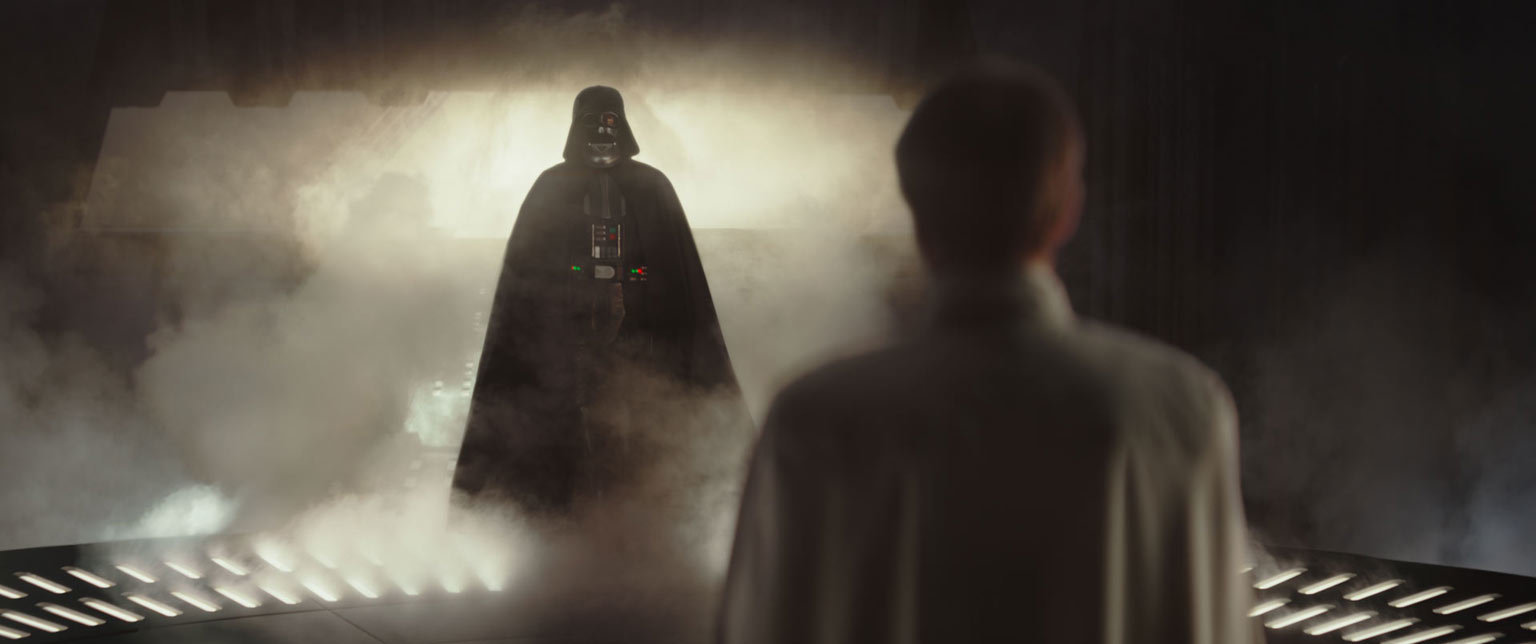
The art in this film was pretty much what you would expect from a modern Star Wars movie, with the exceptions we will note in the next section; incredible graphics, engaging sound design, solid acting. And really cool shots of Darth Vader.
I really appreciate the fact that they actually let people die. In particular, the deaths of the main characters at the end added a lot of weight to the importance of their quest and the depth of their resolve which is severely lacking in most modern movie fare.
The romance was tasteful and believable (although largely lacking the richness of gender distinction and attraction).
Also, the tie-in to the next film was masterful.
The Bad
The Worldview
As far as the battle of the worldviews is concerned, however, this film is overall fighting for the Dark Side. And I don't mean the Dark Side of the movie's universe; of course Vader and his ilk are still the bad guys; I mean the Dark Side of the real universe. Rogue One is packed full of unBiblical messages that are easy to miss and easier to absorb. Whether such packing was intentional or not doesn't really matter- whether the droid meant to shoot you or not, the blaster hit hurts just the same.
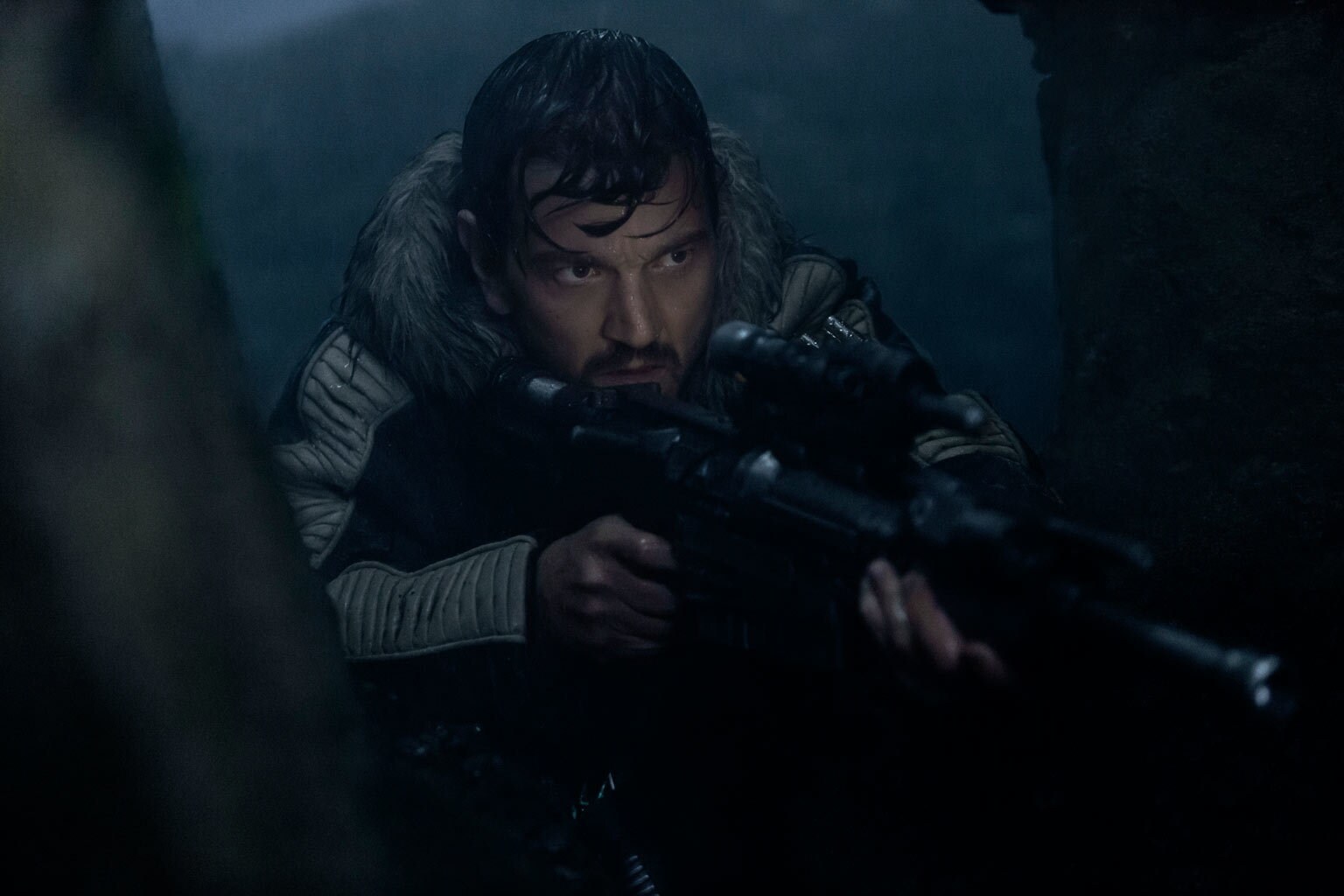
- One of the most chilling messages of the film was a new one to this franchise. In the previous episodes of Star Wars, the good guys did good things. They wore white hats. They played by the rules. Any good guy who started fudging wound up Darth Vader. Rogue One presented a world of heroes driven by situational and relativistic ethics. Cassian, who by the end of the film is a hero, in the beginning of the film shoots a man in the back in cold blood and without any justification beyond convenience. Later, he shoots and kills a resistance fighter (who is ostensibly on his side) which leads to the death of other resistance fighters, to save Jyn from an accidental demise- we can debate the ethics of that choice, but the point is that the choice was presented in the first place, and he with no hesitation does what seems best to him. Later still, he, at the head of a group of other rebel fighters, mentions how they all basically feel guilty for doing immoral things for the sake of the rebellion. And these are the heroes... and they aren't repenting of the immoral things; they just feel bad about them.
You can have complex heroes and villains and still have a clear standard of right and wrong. God does. (Is. 5:20)
- Which brings us to point two; as with all films that will not acknowledge God or His Word, there is no standard for morality in this film. The good guys are good because they are... good at heart-ish... and care for other people... sometimes. Unless they are shooting them in the back for convenience's sake; then they feel guilty. Maybe. IDK.
Of course, that is better than the straight-up cold-blooded conscienceless city-destroying that the Empire represents... but we only know it is better because we all have God's Law written on our hearts. This film has begun watering down the distinction between the Dark Side and the Light Side... but that distinction has been arbitrary since Episode I. Or IV. Or whatever.
Humanism is coming home. The worldviews forged over the past century are finally making their way onto the silver screen. Our standards of morality are going rogue, and the galaxy will suffer for it.
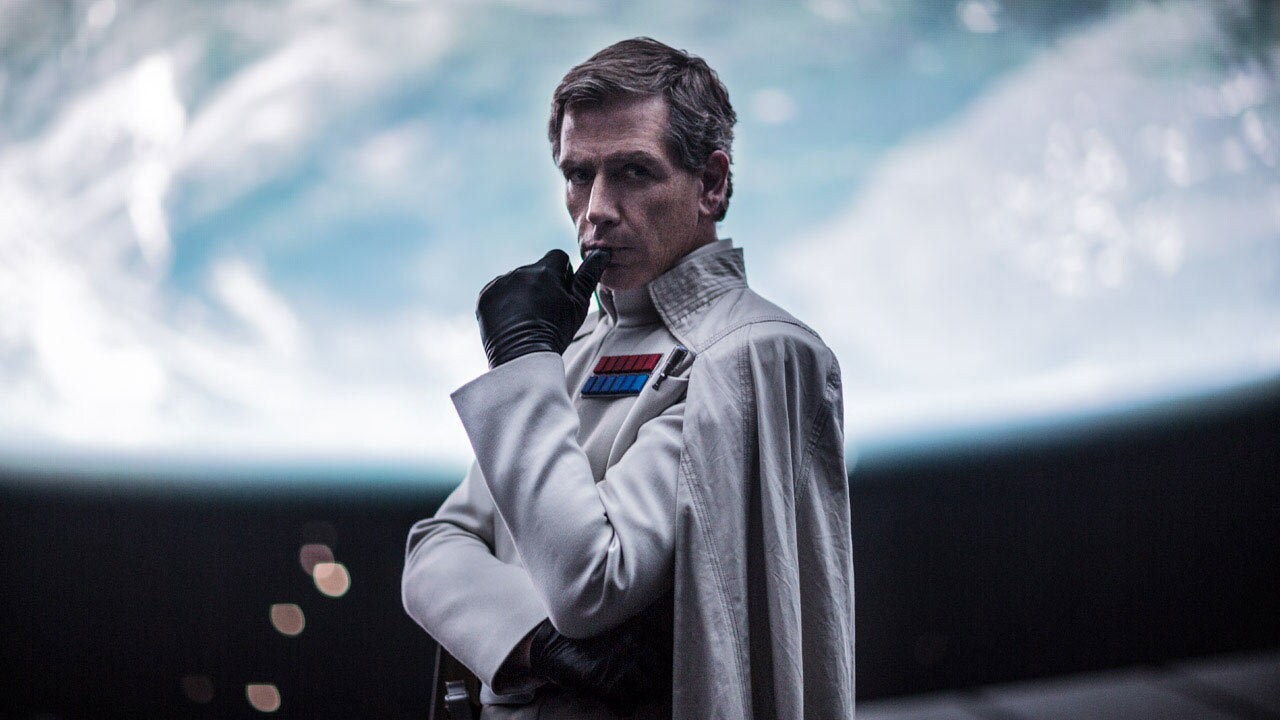
- Which brings us to point three; redemption through good works. These guys are like Natasha Romanoff; they've got red in their ledger, and they are out to really strike a blow against the Empire to make up for the bad things they did so they can feel better about themselves. Even though they did the bad things for good reasons. Umwut?
This mode of salvation is directly opposed to salvation by repentance and faith in Jesus Christ- the only way we can be forgiven for our sins.
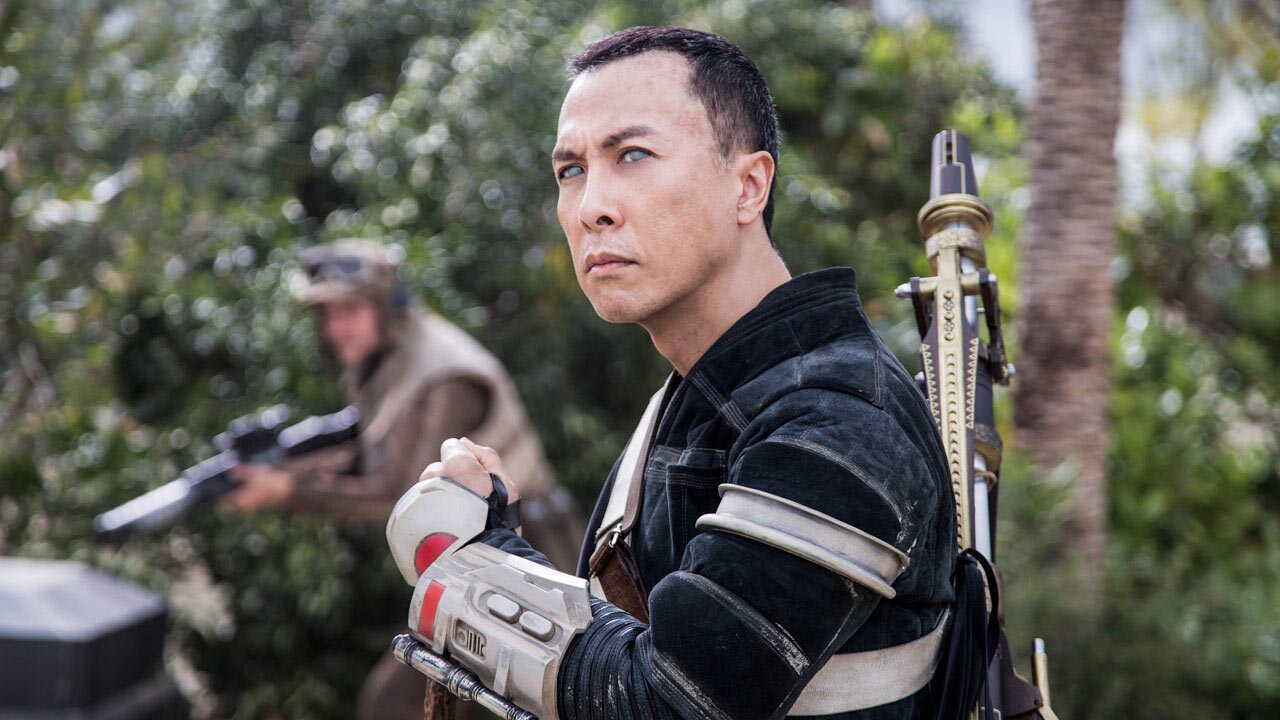
- Next, we have the good ol' mumbo jumbo about the Force. Let's not beat around the bush here- this stuff is blasphemy in pure form; evil and devilish and yet so innocent on its face. It attributes things which should only be said of God to an impersonal force copied blushlessly from eastern religions. This film only takes it further; "I am one with the force and the force is with me," chants a blind man who through the force is a super-warrior, and when he dies he counsels his friend to find the force- and thereby to find him as well. In other words, god is everything, everything is god, and when we die we will be absorbed into Brahma. The True God hates this kind of stuff, and so should we. We aren't God, and we never will be. He made it all, He owns it all, and He reigns over it all.
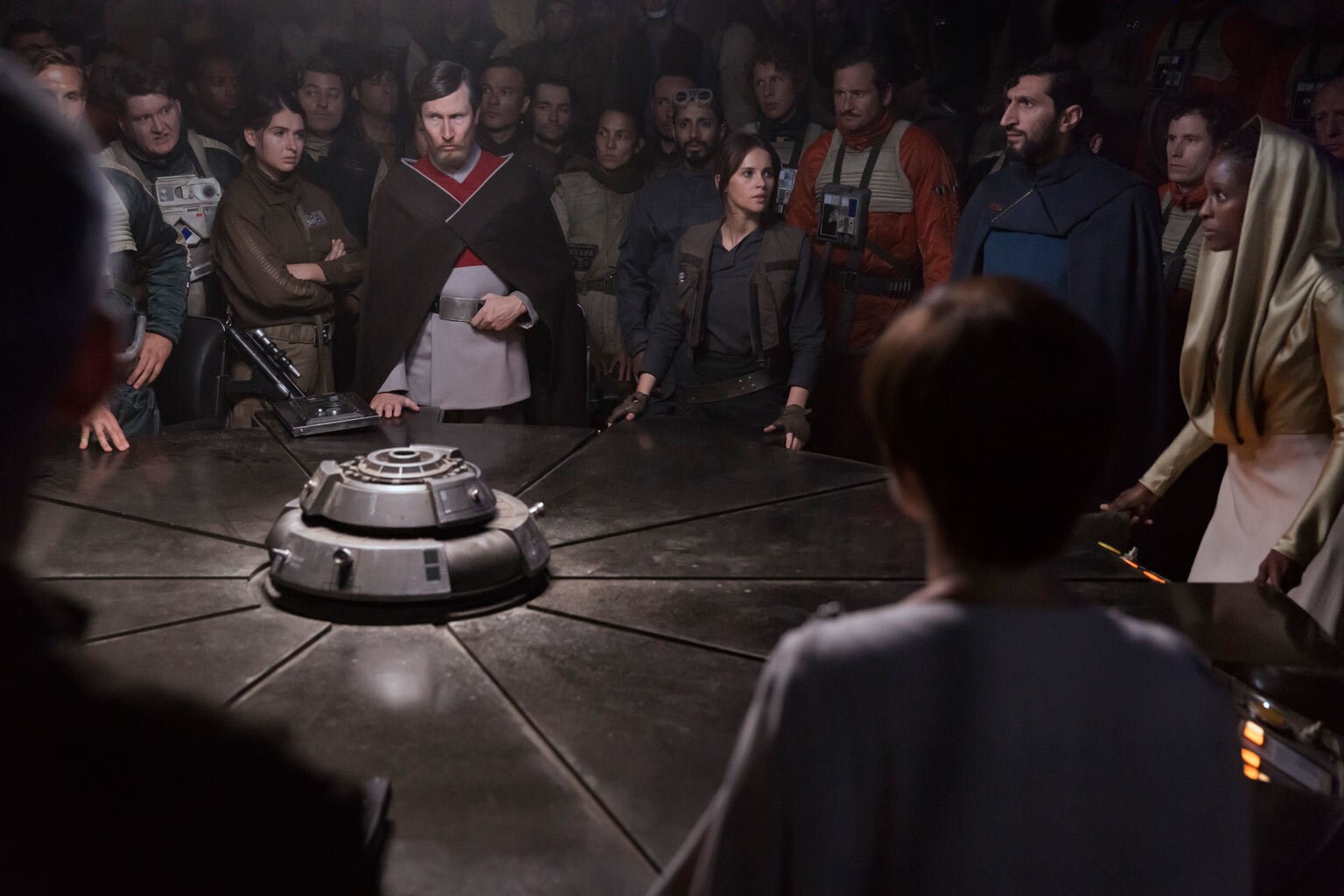
- Egalitarianism is such standard fare nowadays that it is easy to become accustomed to the flavor, and this requires us to be all the more vigilant in calibrating our taste buds. Rogue One presents us with yet another action heroine in yet another world with no distinctions between men and women. Jyn Erso is a skilled warrioress whose ability to whoop up on bad dudes impresses Cassian more than her beauty or femininity. While we can all appreciate the lack of sexual innuendo that this androJyny presents, the problem is that there is also simply a lack of distinction as a whole. Men and women fight. Men and women lead nations. And Jyn is the galactic Katniss, put in a place that only she can fill, giving the pep talk to the troops, rallying the council, and throwing down a lot of bad guys along the way.
It's interesting watching a worldview progress; Leia was a previous generation feminist: beautiful and womanly, but with her moments of stubborn "I can do anything a man can do." We are beyond that now. Now we don't even talk about it. Nobody notices, nobody cares. None of the men open the doors for the ladies. They're empowered, you know. They can get their own door.
This message is made all the more powerful by the fact that the authors of the film put Jyn in a place where most of what she does really would be OK. Deborah might have given a pep talk to the troops. Plenty of women in Scripture held influential and powerful positions. And what daughter put in Jyn's position would do anything other than what she did, other than perhaps stay behind on a mission or two?
The issue is less about any specific action and more about a worldview that says "there are no distinctions between men and women; we will not submit to God's pattern for manhood and womanhood." Today we consider an empowered woman one who is free to be like a man; the Bible presents an empowered woman as one who is fully a woman. Men are supposed to be the leaders and the fighters. That is the way God designed it. But this movie, along with most today, reject that idea entirely. (Neh. 4:14, Is 3:12)
Now before you accuse me of wanting women to be helpless weaklings, bear in mind that I've taken my wife through multiple self-defense courses and we named our daughter after a woman who killed an enemy king in his sleep with a tent peg.
So there's that.
The Art
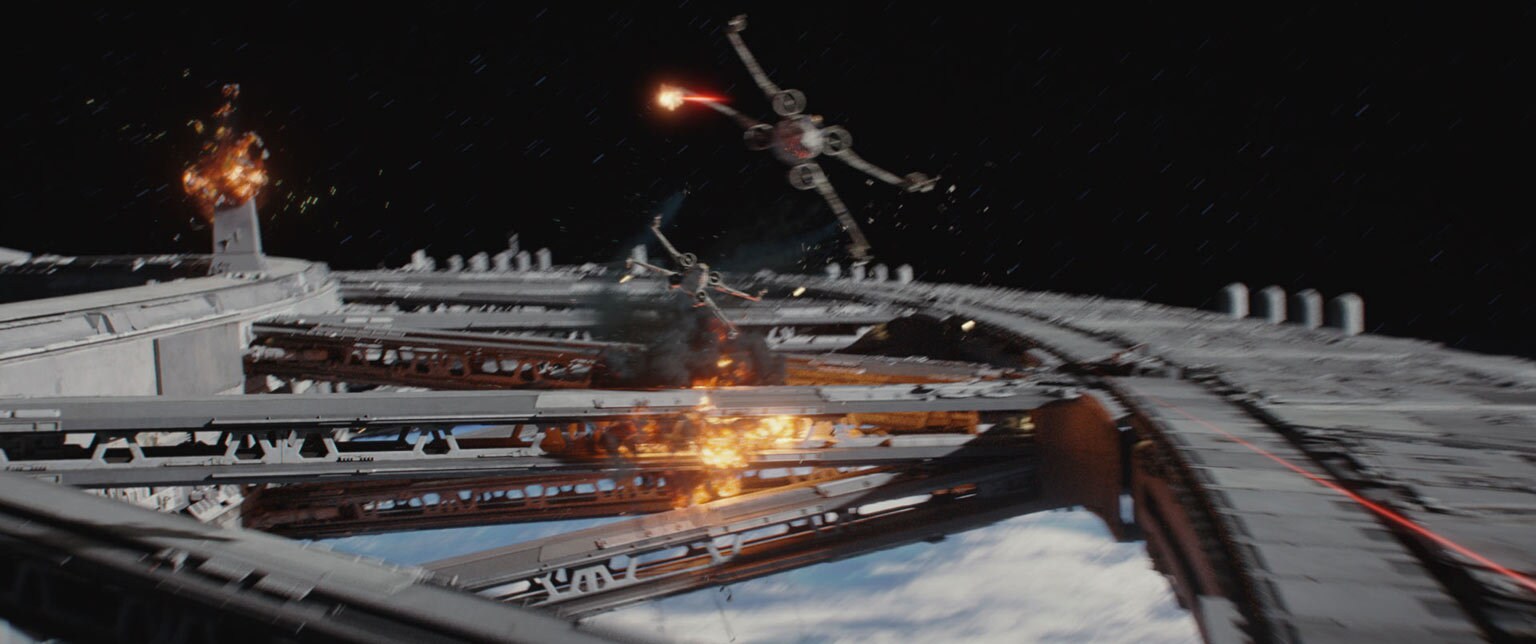
- I am a big fan of sad movies; I am not one to complain about characters dying. But this film was strewn with one epic, dramatic death scene after another, and it was overkill. Pun intended. The characters were largely underdeveloped, and their deaths were largely unnecessary. The important deaths would have had increased gravitas if it weren't for all the red shirts also getting their own scene of demise.
"Hey guys, let's watch a random fighter pilot yell for help over the radio and then get vaporized!"
"Nope, I'm just gonna stand here and die instead of escaping with y'all. But thanks."
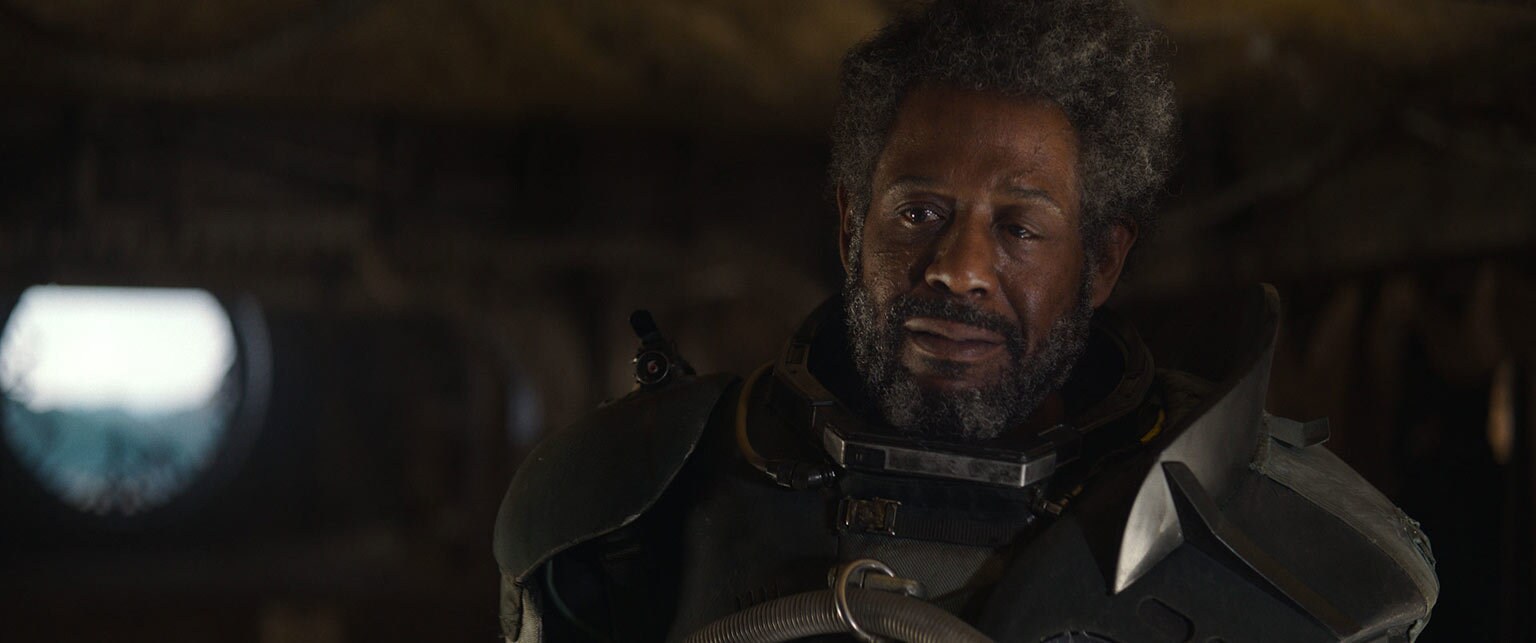
"The Force kept me safe as I walked to the switch, and I forgot about it on the way back, so whoops. But hey, believe in the Force and you'll still be with me."
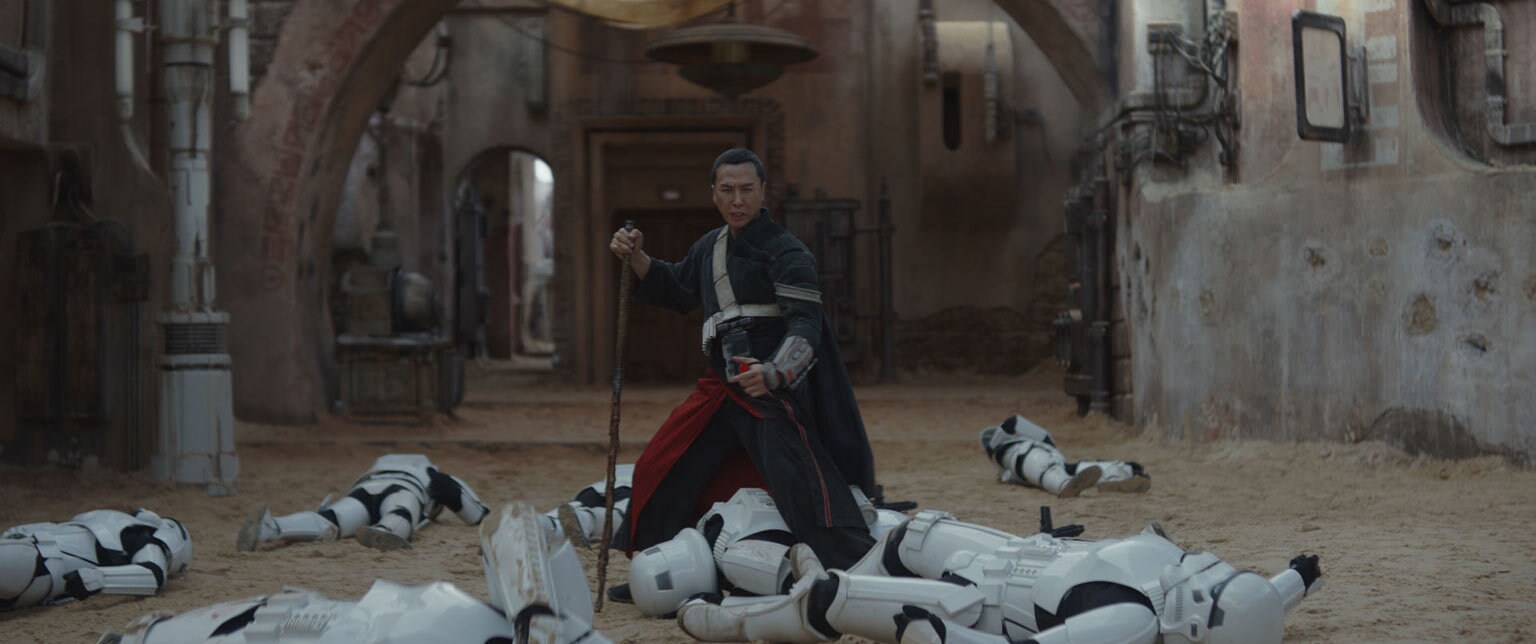
"Now I believe in the Force so I'm gonna slowly walk forward in my rage over my friend's death while praying to the Force and kill like three people before dying awesomely because apparently the Force's magic powers broke."
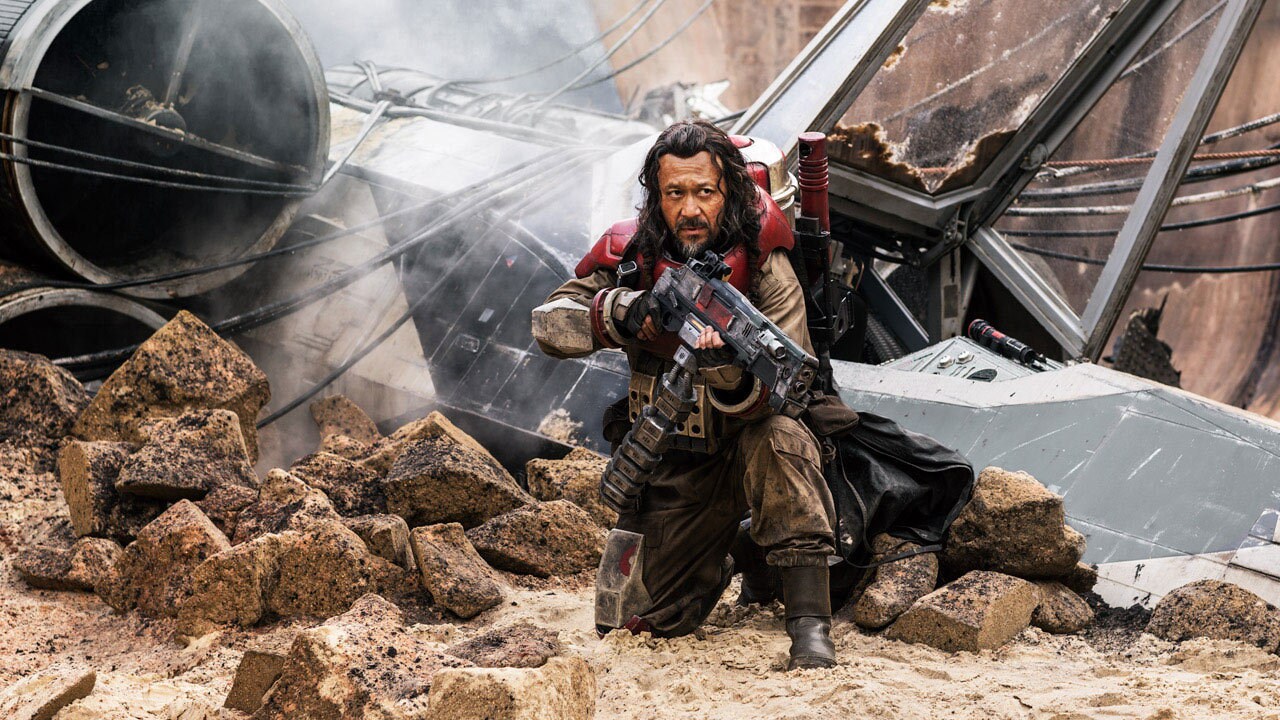
- This one had less cliche content than The Force Awakens (which was basically Ep. IV 2), but it still had its reincarnation of C-3PO/TARS/etc. (who was still my favorite character- his demise was actually the one part in the movie that choked me up). Oh, and another orphan girl. Nobody in this universe has living parents except for Luke.
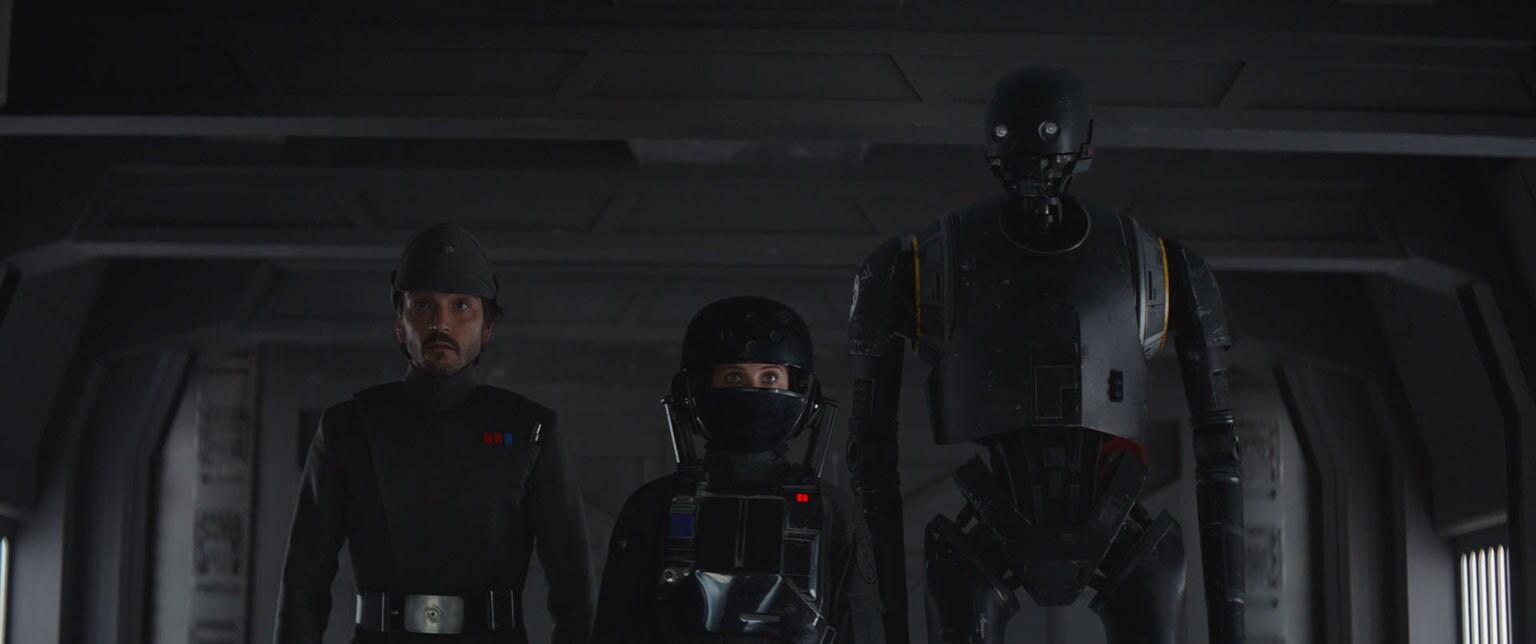
- I did not care. The film gave me no reason to. When we first meet the main guy, he murders someone in cold blood; meanwhile the main girl is kinda accidentally on a quest for her dad so she can be freed from people who kidnapped her from her previous kidnappers... meanwhile, everybody else dies. Honestly, the last ending climax of the movie was the only part of the film that really drew me in.

- I was also disappointed in the musical avoidance of the full versions of John Williams' themes. Giacchino is a master, so I am not sure where the blame lies for a score that, at least to me, was lackluster compared to its heritage.
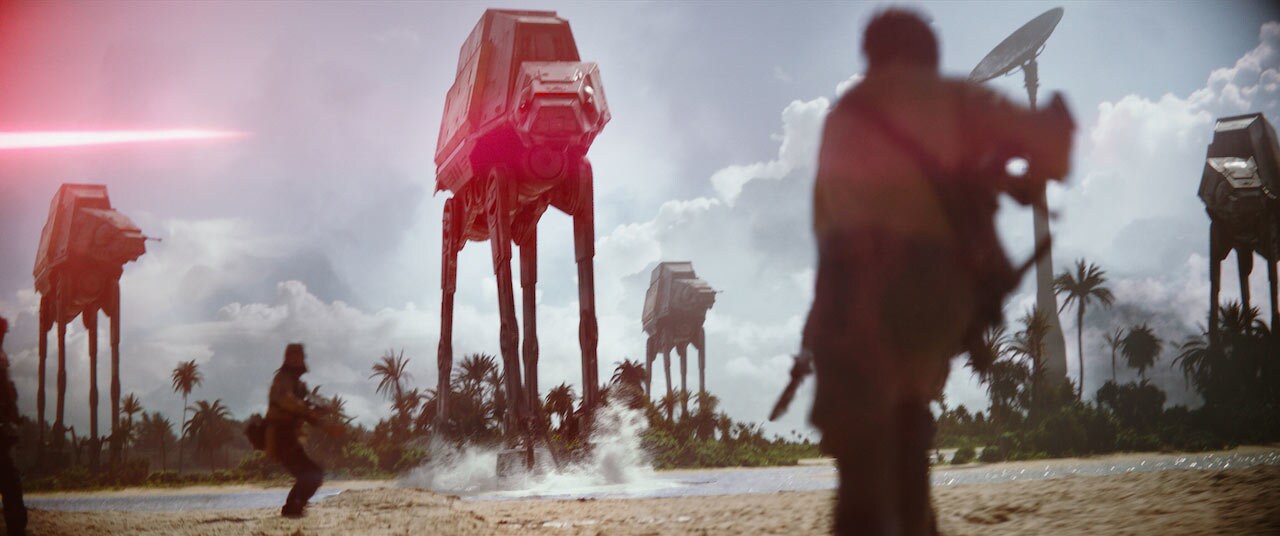
- The violence was darker and more gruesome than the previous films, and it was completely unnecessary; it seemed to correlate with the more morally ambiguous worldview of the film.
On Competing Affections
One other note- and this is true of every film, not just Rogue One- a man at our church likes to emphasize the importance of making sure that nothing in our homes is "cooler," or more exciting, more wonderful, than Jesus. Well made movie universes like the Star Wars galaxy, the Marvel Character Universe, the Hunger Games districts, Middle Earth, Narnia and even more real-world fantasies like the Bourne films or your latest Pixar trilogy- all of these provide engaging, fascinating imagination candy. We must be careful both for ourselves and especially for our children to make sure that we remember that these are all pretend stories. There's a real war on, and we should spend our time and affections on the real King and His Kingdom- not on studying and meditating on the truths of a pretend universe. Children are prone to falling in love with a film and its characters, and if that love begins to take over conversations and imaginations, and to replace the love of Christ and His real world, it might be worth curbing the media intake until the child is of an age to understand that movies are fake, and Jesus is real, and to value and be excited about imitating Christ more than imitating Jyn's epic fight moves.
In Conclusion,
Rogue One provided me with a great opportunity to spend time with my wife, but as far as the film was concerned I spent the majority of the movie waiting for it to get good. It was a darker and less interesting version of Star Wars which dimmed the ethical guiding stars into a galactic moral quagmire. The highlight of the film for me was the gripping grand finale, and if it were possible to read the first two acts on Wikipedia and then watch the last battle sequence, that would be my recommended approach. I think they should have left the original six alone, but Rogue One did provide some intriguing and well-thought-out backstory. I would not recommend it, but it does present an excellent study in worldview analysis, and given its popularity we must be able to provide such analysis.
The real Dark Side is crafty, and recognizing its advances is essential for effectiveness as a Christian warrior.
1.5/5
Tuesday, July 15, 2014
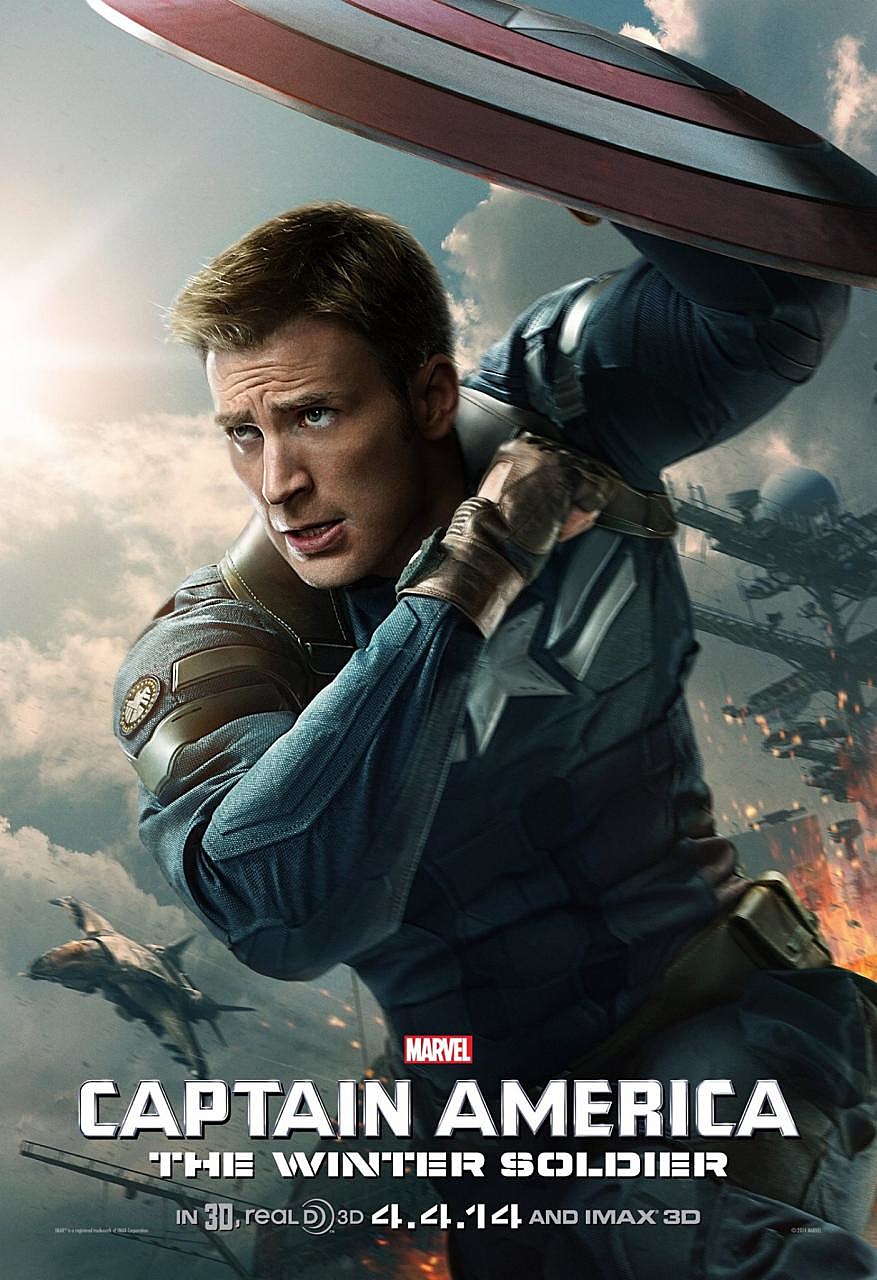
Captain America: The Winter Soldier
I've heard almost incessant raving reviews of this film (I think I heard one person say they didn't get what all the hubbub was about), but I have some trust issues when it comes to movies. And films like this are pretty much why. I think our culture has become a little too lactose-tolerant in our media diet.
Now, I enjoyed this film quite a bit; I think it was one of Marvel's best. But until we all collectively admit that that's not saying very much, we will remain the cheese addicts that continue to fund these comical comic-book films and their exploits into Cheeseland.
Be forewarned that some stuff might get spoiled for you in this review. Including cheese. Lots of spoiled cheese.
The Good
The Worldview
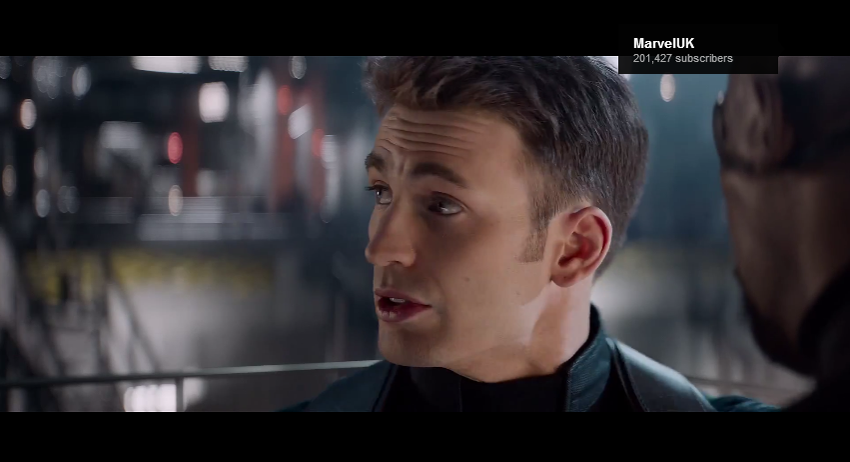
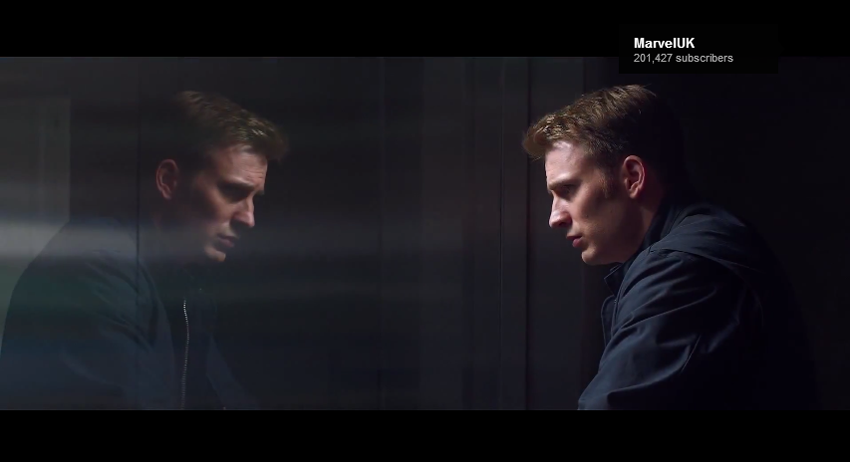
Let's start with the good- and there was a lot of good to appreciate in this film. When it comes to worldview goodies, this was one of the most message-on-its-sleeve films I've seen in a long time, and, contrary to the standard "follow your heart" hogwash, this film had a message worth sending: the dangers of liberty are far sweeter than the chains of security. The Captain's refusal to abandon old-fashioned notions of liberty in the face of the ripped-from-the-headlines police-state methods of SHIELD and the peace-through-power methods of Hydra- and the fact that his stand is portrayed in the film as a good thing- makes this one of the most relevant sermons on liberty in the 21st century that I've watched in a loooong time. As usual, Hollywood was able to preach their sermon without taking people out of the story; as not-so-usual, the sermon was a good one! But the moral to this movie was not hidden in cryptic sophisms and symbols in the background; the message was clear, and has never been more relevant to Americans than it is today. For this reason, and even if only for this reason, this film deserves a hearty round of applause from Americans who agree with Benjamin Franklin that those who are willing to give up liberty for security deserve neither.
![]() |
| "This isn't freedom. This is fear." |
The scene where the nerdy computer tech says "I'm not going to launch those ships." That was awesome. We need more scenes and more films where regular people do not capitulate in the face of adversity.
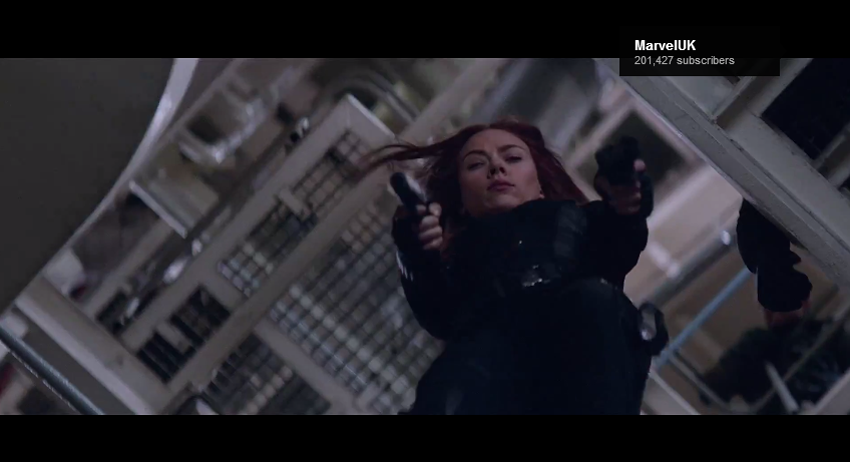
In lots of action movies, the heroes steal cars (and everything else) and cause mass destruction and mayhem in the process, all without any apparent twinge of guilt, and certainly without repercussions. This isn't heroic conduct. Plenty of it still went on in this film, but a comparatively small amount of it was at the hands of the Captain, who, when he did hijack a car, told Natasha Romanoff to take her feet off the dash because they were borrowing it. And with Steve Rogers, you can tell he actually means it. I'd like to see more of this in modern action films!
The Art
Speaking of action.
This film has it. Lots of it, and some of the best I've ever seen. As usual with "superhero" movies, there was lots of CGI and plenty of explosions and crashes and yaddayaddayadda. But this film featured more hand-to-hand, intensely choreographed, martial-arts-driven combat scenes than any Marvel film to date, and they were excellent. Better than any I have ever seen before, in any film ever. I'm now inspired to learn how to do a kip-up.
And the Nick Fury car chase sequence was just as good or better than anything the Bourne films ever did, which is saying a lot.
Some of the acting was very good. Nick Fury was much less of a source of corn than in The Avengers; less over-epic, more human and likable. Whether this was a Samuel L. Jackson thing or a scripting and directing thing, I don't know, but it was a big improvement.
Robert Redford was stellar; by far my favorite performance of the film.
The music was very effective; while I didn't much care for Henry Jackman's score listening to it on its own, in the context of the film it drove the action very well. I am not a fan of film sequels that switch composers, but I was so, SO happy that at least the main theme from the first film made one very clear statement at the beginning of the film. Also, Jackman's chilling motif for "the Winter Soldier" was perfect.
The graphics and sets were outstanding and sometimes breathtaking; it was difficult to distinguish between CGI and reality throughout the film, and the interaction between the two was mind-blowing.
I really, really enjoyed the directors' style; sweeping, grand, colorful- the film was truly beautiful.
The comedy is also worth mentioning. The comic moments throughout the film were made up of smart, believable, good humor, and they not only served to make the cheesy moments a bit more palatable but also made the whole thing more enjoyable and the people more relatable.
![]() |
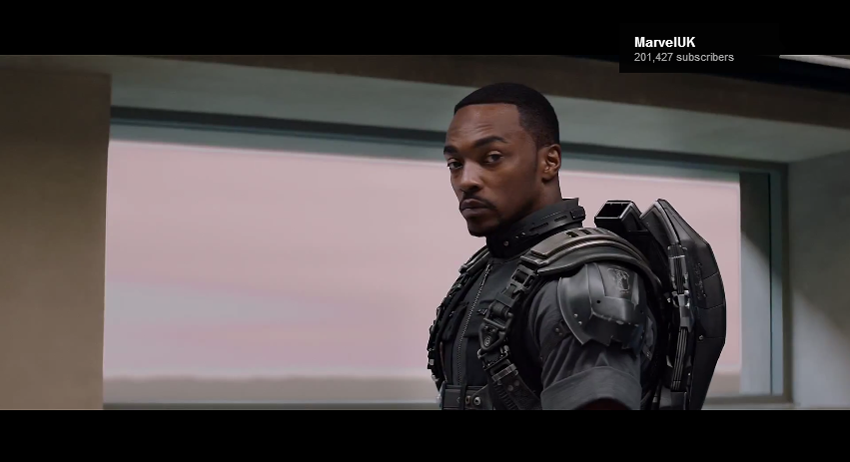
| "Don't look at me. I do the same thing he does, only slower." |
The Bad
The Worldview
Total egalitarianism- no distinctions between the roles of men and women- is one of the strongest, most clear sermons that this film preaches, and it preaches it by example.
The main female characters in the film only retain one aspect of femininity- their sexuality, which is played up and emphasized and used by them for their own advantage. Beyond that, they are judged on their ability to, more or less, act like men. It's not degrading to say that women and men were created for different purposes. It is degrading to say that the things women were created to do are worth less than the things the men were created to do- and that's exactly what we see modeled in films like this.
This film has plenty of females in it, but very few ladies. (The ladies I'm referring to are the extras in the crowd scenes.)
If there's a room full of people being tyrannized over by a group of big tough bad guys, 99 times out of 100 it will be a girl who whips out the gun and the ninja moves, breaks the spine of evil, and coaxes the whimpering men out from behind their desks, gently using her pink camo handkerchief to wipe the tears from their eyes.
Seriously, it's getting rather old, Marvel.
We're raising a generation of guys who no longer see it as their duty and know it as their instinct to step up and protect the innocent. Should women do this too? Of course! But the role of defender is primarily a male role in Scripture (Nehemiah 4:14). It should be normal and expected that if a bad guy needs taken down, any and every man standing in the near vicinity is ready to do the taking down.
There is a huge opportunity for Christian storytellers to resurrect this lost idea of manhood and womanhood being two different things. We have to construct an alternative culture. We have to present the beauty of the right way. If all anyone ever knows is the wrong way to do things, we cannot be surprised when that is what their actions- and art- reflect. It's harder to tell stories that show the power and beauty of a Godly, visionary woman of character- a wife, a mom, a homemaker, an Abigail Adams or Elisabeth Elliot- than it is to clothe an athletic woman in tights, choreograph an intense fight scene, and make audiences say "wow, she's awesome!" But those are stories that need to be told. American young ladies today need to hear about real women of strength, and look up to them, and realize the power that comes from living in such a way that others will say "wow, her God is awesome!" Our stories must provide that influence.
The immodest, skin-tight garb that the women wear is old hat for superhero movies, but The Winter Soldier took it to another level, with a couple of shots slid in which were obviously framed for the sole purpose of drawing attention to the heroine's body. Reducing her to her shape. This is so degrading to women (not to mention it's certainly not edifying for men).
I thought it was disappointing and a bit out of character that they scripted a few swear words in for the Captain.
The whole relationship between Natasha and the Captain was a little ambiguous... not sure where they're going with that.
There was certainly a lot of violence, mostly of the comic-film sort.
Speaking of comic-films, there is a worldview issue that I would like to hear discussed more when it comes to any and all films of this genre. What, exactly, is communicated by films like this, where "normal people" are passed over in favor of "superheroes"? Are we in some way denying God's reality? Is this a way to escape from the constraints that The Master Storyteller has put upon us and turn ourselves, for two hours, at least, into Batman, or Superman, or Ironman- someone invincible, all powerful, and amazingly good-looking in Spandex?
What are the edifying benefits of having these superhuman heroes, as opposed to telling the stories of real men and women doing real and amazing things for the glory and by the grace of God? It's a lot more inspiring- and inspiring in a deeper, more soul-changing way- to read about Shackleton's voyage than to see Superman hold up an oil rig. So are these comic-films fueling a modern-day flight from God's reality? If the medium is the message, is the medium of fantastical super-films headed in the right or the wrong direction?
Overall, though, the worldview of the film was much better than most Hollywood productions.
The Art
The feminism that saturated the worldview of the film also damaged its artistic value. The women in this film are a steady source of cheese because they are just. So. AWESUM. Favorite feminicheese moment was when two guys broke down the door on Agent Hill, maybe 30 yards away from where she was, and she didn't hardly look in their direction, fired off two rounds from her little handgun, and went right on with her business, never breaking a sweat or showing a twinge of emotion on her "I am the coolness" face. If it had been a bad guy making that shot, and two good guys coming into the room, the bad guy could have had two fully-automatic shotguns and a bazooka and he still would have missed. If it had been a more believable actor making that shot as a good guy, he or she would have had a startled reaction, ducked behind cover, and fired until making sure the threat was nullified. Not Agent Hill. She's too cool for, you know, realism. She's a machine. The same is true, of course, of Natasha Romanoff, and even of the blonde girl who, at the end of the film, is shown hitting bullseye after bullseye before we pan up to a shot of her facial expression. Which was also "I am the coolness." Corn-E.
But this is all true of the guys, too, and I'll get to that in a minute; the bad art here specifically related to feminism is that it's just not realistic. There's a reason special forces only take male applicants.
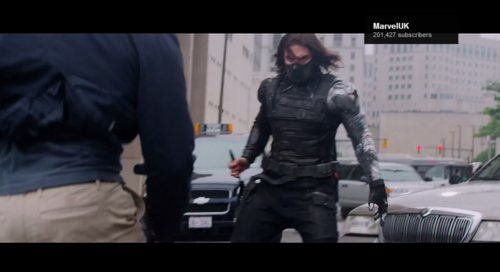
That said... this film contained enough cheese to feed an army of super mice, and that was definitely not just the ladies' fault. Like this guy:
![]() |
| Epic bad guy pose. |
I like to call him The Winter Cheese. Everything was an epic moment with him. Standing up was an epic moment with him. Slowly he rose from the asphalt, never raising his head from behind the veil of hair until his body was fully erect, presumably to preserve chiropractic form and awesomeness.
Seriously?!? A normal person wouldn't do that. Therefore, cheese.
Cool face-covering mask. That's epic, except that it apparently serves no purpose (like Bane's did) except to delay the plot twist for a little while. Normal people don't wear face masks for no reason. Helmet, yes. Face mask, no. Therefore, cheese.
Another issue de la corn was the invincibility of everyone. (Though I'll grant you that it was far better than Man of Steel.) Falling from buildings, getting shot and stabbed and beaten and going through car wrecks and nobody ever has any long-term negative health problems resulting. Nick Fury even dies and he's still not dead.
Marvel has only successfully managed to kill off one primary character in all of the mass mayhem they've orchestrated in their films. And that was by being stabbed... once? Poor Agent Phil. He didn't get the SHIELD invincibility memo. Of course, he's probably still alive in some underground cave and will come out of cryo-freeze in a future Marvel film. "Agent Phil: The Summer Civilian."
Constantly denying realistic consequences not only gets old; it cheapens the film, because the storytellers are not willing to force the audience to deal with deeper emotions, and eventually it becomes "the boy who cried wolf." "Oh, sure, Captain America has been shot 18 times, stabbed, burned, crushed, and thrown out of an airplane, but... it's a Marvel movie. He'll be OK somehow."
That really makes it hard to get emotionally involved in the struggles of the heroes.
I thought they were going to let us really be sad and feel the loss of Nick Fury, and for the period of time where he was dead, the film was more powerful for it. But no, we have to stay superficial, and just when we were about to really pull on those heartstrings, the movie says "just kidding."
There were holes in the story big enough to fly a helicarrier through.
For example... Natasha Romanoff disguises herself as a diplomat to go to a meeting. Only problem is... what happened to the actual diplomat?
Or how about Nick Fury, who has just been through a car chase involving multiple collisions and an explosion which flipped his car upside-down, but he's able to use some laser-digging thing to dig through the roof of the car, through the pavement, and make a tunnel into the ground, at a pace so fast that apparently The Winter Cheese figured it wasn't worth pursuing him (even though Fury would be trapped in there and one hand-grenade dropped down the opening would finish the thing), and without having to actually move any dirt (apparently he vaporized it, or something).
That's pretty impressive. Or maybe it's just...
Speaking of aged dairy deliciousness, Marvel's got a big problem on the horizon. They cannot keep up this raising-of-the-stakes forever. In Hulk, a monster in the streets. In Thor, an invasion by aliens. Captain America, Hydra's invincible army. Iron Man- well, they've kept those stakes pretty believable, thankfully. The Avengers, more and badder aliens and a helicarrier. Captain America: The Winter Soldier- three helicarriers, each armed with weapons designed for mass extermination, by the command of the same dudes he beat in the last movie!!!
And then in the easter egg scene, we see the same dudes that he's beaten in both movies... WITH THE ALIEN'S STICK!!! And the guy says "this isn't the age of heroes... it's the age of miracles!" OH NO!!!
That sums up Marvel's problem. "Not just heroes, but superheroes. Not just superheroes, but aliens. Not just aliens, but miracles. Not just miracles, but..."
It's already starting to get ridiculous. I think this is probably tied to my question about the value of comic-films. Once we leave the boundaries of reality and start to find satisfaction in the super-real, I think the long run effect is similar to that of drugs, sin, and adrenaline rushes. It always has to be more, bigger, better. Films like The Secret Life of Walter Mitty and Saving Mr. Banks find their meaning and the emotional impact of the story by taking us on a journey within the reality that God has placed us in and giving us another look at it, taking us a bit deeper into it, getting us a little more excited about it, giving us a greater appreciation for it. But with movies like The Winter Soldier, where the satisfaction seems in some ways to be derived from how unreal and fantastical the story is- if every one has to get more unreal, more far-fetched, even broader in scope- if that is our standard of measure, we will reach a point where the only way a sequel can be better than the prequel is if it is also worse. Because we aren't connecting with hearts and minds anymore- only bodies. It's only a physical rush. Kinda like rock music over against classical music.
OK, moving on from that, the bad guys are amazingly skilled in the million ways they find to miss the simplest targets. It's really quite impressive. I couldn't miss that shot if I tried.
I thought the film was too long by about four scenes; there were multiple points where it could have ended satisfyingly and powerfully, leaving the viewer wanting more, but instead they went with the "give the audience everything" approach. I think a couple of good points for the film to end would have been:
- on the shot of Captain America laying on the shore where he had been dragged by The Winter Cheese
- after the Captain said "on your left" in the hospital room
Either of those would have concluded the story well, but left the audience saying "NOOOOO!!! It can't be over yet! Give me more!"
Which is always a good thing.
In Conclusion,
If you like superhero movies, action flicks, and cheese, this is about as good as it gets. I enjoyed the film a lot, and look forward to seeing it again, but while it's one of Marvel's best efforts it did not transcend the stereotypical limitations of the comic film and give us a story that takes us on a real and deep emotional journey. Lots of fun, lots of flash-bang, a good message, but, unfortunately, not much more than that.
I will say, though, that if I ever pass you when I'm out running, it will most likely be...
"On your left."
3/5
Wednesday, April 9, 2014
The Hunger Games: Catching Fire
A while back, Dad and I went to see the first one.
Today, we went and saw the second one.
Spoilers ahead, y'all.
The Art
The Good
The graphics were very good; the computer-generated baboons were realistic enough to not be distracting (which is tough).
It has to be hard to try to create a sequel that keeps the promises and fulfills the expectations that the prequel creates without feeling like an unnecessary "hey, the last one made money!" rehashing of the same old stuff. The team behind Catching Fire did a passable job doing so. While the scenes in the arena got a bit long in the tooth at a few points (monkeys instead of dogs, poisonous fog instead of Tracker Jackers, yadda yadda), there was enough newness to the story to still keep the film interesting, enjoyable, worth watching more than once- and certainly enough to catapult into another sequel (but only one more, please).
Speaking of the newness, I really enjoyed the interplay between tributes; lots of very interesting and engaging stuff there; it was fun watching people who would seem to be bad guys turn out to be good guys in the end, and while I saw most of it coming, it was actually kinda nice how it was hinted at throughout the film instead of going for the rather cliché, totally unforeseen twisty conclusion.
The arena design was very impressive. Unique and interesting. That place would make a very fun playground.
The music (James Newton Howard) was very good, as usual. His composition style is very tasteful and almost dream-like in its smooth simplicity, and it fits the rough, almost surreal wold of The Hunger Games very well. I did notice that the score sounded very similar to the first one, and while I enjoy continuity between films I would like to hear at least a little bit of variety. But the scene with the kettle drums during the procession- A. Mazing.
The costume design was excellent, and while many films have excellent costume design that is hard to notice because it is so excellent, Catching Fire does not suffer from that problem.
The acting was all good, but this time around I was more impressed with Josh Hutcherson's abilities as an actor than I was in the prequel. Jennifer Lawrence also did an outstanding job, and, since she is the film's central character, she had plenty of time and a huge variety of situations in which to display her acting abilities.
The variety of characters was nice, and the filmmakers managed to make the list of tributes in this film zany without being (very) cheesy. Having a tribute pool that wasn't made up of just teenagers was also very nice.
The Bad
That said, it would have been nice to see more interaction, more inter-relational story- more Dickens. We can get deeper than flirting and petty quarrels.
I will be addressing the romance issues in the worldview section below, but seriously, please, enough of the kissing and drama and stuff. That's not what I came to the film for.
There were some moments of cheese, too; manufactured crises and miraculous solutions that pushed the limits of believability. Combine that with "I almost lost you" romantic goop and it was definitely not helpful to the story.
As I mentioned above, at some points the film got a little old, because I had seen it before in the prequel. The obligatory arena action stuff was far less engaging than the political espionage b-story.
THE CREDITS MUSIC. DAAAAAAAAAHHHHHHH. WHY. WHY. WHY?!?!?!?
I have three more words to add regarding the credits music. James, Newton, Howard.
The Worldview
The Good
I really enjoy the socio-political commentary that The Hunger Games provides.
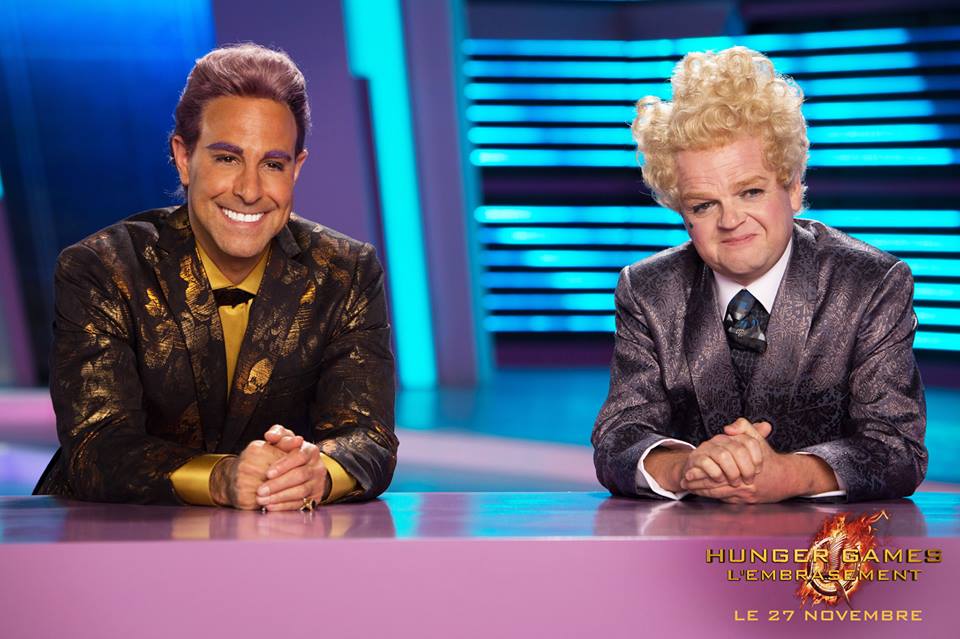
Everything from the shallow, external-focused, plasticized facade of American culture...
...to the media wars waged by totalitarian governments...
whoops.
...to the power of fear, hope, and the smallest symbols used wisely.
Eventually, the tyrants who put themselves in the place of God will be dethroned. I'm really enjoying watching that happen in the world of Panem- and I'm also enjoying watching it happen at every stage in history, and continue to happen today.
This film provides a powerful and self-conscious example of the communicative power of aesthetics- down to the clothes that we wear. It all sends a message.
Peeta seems a bit more manly this time around; less dependent on Katniss to take the lead, and more decisive and in charge. It still would be nice to see him kill a few more baboons or something, though.
Katniss showed a good deal more selfishness and weakness in this film, and while I wouldn't consider those admirable qualities, it was nice that the film is not presenting the "teenage heroine who fixes everything through her super-genius-overwhelming-beauty-physical-prowess-invincibility-in-combat-amazingness." Katniss seems real. After watching the first film a few times, I began to like her a little less. In this film, while not really becoming more likable, she became more lovable, because we got to know her a little more and see her struggles.
The Bad
Catching Fire seemed to push the content envelope, if not intentionally, certainly noticeably. The bleeped-out F-words, the scene in the elevator which provided me with wonderful opportunities to study the theatre wall, and the statement about being an object of public lust were all a bit unexpected after the complete lack of such content in the first film.
Any review of The Hunger Games, I or II, would be remiss if it failed to address the problem of the killings. It seems that the thought never crosses anyone's mind, even in the midst of uniting against the Capitol, that "hey, we could just, like, not kill each other!" While we still see remorse and concern for the taking of life, we don't see anyone really refraining from taking life because of that remorse or that concern. Killing people is just kinda assumed.
The ethical question of "why not?" which the first film failed to answer finds no more resolution now than it did in the first; if there is no God, there's not really any reason or rule for any of the ethical decisions presented in the film.
Also, Peacock-boy needs to put a shirt on... and a few ladies in the film could benefit from doing the same. The skin-tight clothing craze is something I'm quite tired of, speaking of modesty (I'm looking at you, Marvel. You too, DC.). Karate masters have done über-demanding physical feats for years in loose, flowing garments. If our filmic heroes were really that good, they could do the same.
Aside from being a teen-centric, love-triangle-infused drama, The Hunger Games and Twilight have at least one other thing in common- they both found a convenient and justifiable way to get the heroine and a very good looking guy her age sleeping in the same bed. For Bella, well, she was cold. It was necessary for her health. For Katniss, well, she was scared. It was necessary for her sanity.
Which brings me to one of my biggest problems with this series- a problem which I failed to address in my review of the first film. The world of The Hunger Games is built on a very implausible, very carefully constructed set of assumptions and events.
Every year, one teenage boy and one teenage girl from each district is chosen at random, put on public display and worshiped as demi-gods, and then thrown into a giant computer game in which they must kill each other or be killed- all without any choice on their part.
This provides a field-day for the teenage imagination, and the most dangerous part about it all is that given the circumstances, anything imaginable is pretty much justifiable. You can pretend to be in love with whoever you want, because it might save your life. You can kill people, because it's self-defense. You can be alone with the woman of your dreams day-in and day-out because hey, you're from the same district, and you need each other. CPR and cleaning the blood off of her face (gently and tenderly, of course) and tearful embraces are all fair game. You have to stay with her all night, because she's scared, and she asked you to, and what kind of jerk says "no, grow up and get over it"?!?
And technically, it's true; if I am by some act of Providence stuck on a desert island with a young woman my age who stops breathing, I'm not going to forgo doing CPR because it might ignite the fires of passion. Goodness. Grow up and help the girl.
So with the rest; self-defense is Godly and Biblical. Putting on an act to save lives is perfectly fine, as the Hebrew midwives can attest.
But God bringing those situations to pass in His Providence is one thing. That might happen, oh, once in a million teenagers, and when it happens, we can act in wisdom under the guidance of Scripture like responsible adults. That's a far cry from building the perfect fantasy world in which the hormone-filled romance-hungry teenage mind can lawfully do all those things which we'd just love to be able to get away with if the situation arose. That's a very dangerous thing.
Dear Christian young people, we cannot allow Hollywood to set our thought patterns. Taking every thought captive to the obedience of Christ is not just about not thinking bad stuff- it's about thinking good stuff. Daydreaming about rescuing Katniss or being rescued by Peeta, being worshiped by the upper crust of society or followed by the rebels who need a leader- it's a waste of thought-time that needs to be redeemed.
There's a real world that needs leaders.
Hollywood puts out a steady stream of opportunities for us to find temporary emotional satisfaction in... whatever. Be a fan. Watch another movie.
We don't have the time to do that. There's a war on. And we certainly don't have the time to let the time spent watching movies leak into our daydreams and thereby spend even more time watching movies- this time, with ourselves written into the script.
Overall,
Saving Mr. Banks was better, but Catching Fire was an acceptable sequel to the first film in the series, and certainly left me ready to watch the next one.
3/5
Subscribe to:
Posts (Atom)