Thursday, June 16, 2011

MUSIC - Home at Last


A piece from a short by Children of Light Productions called "Wisdom in the Wilderness". This one's from the archives- I wrote it a good few months ago at least- and I praise God that I can even now hear ways that it could be improved! But it is what it is- enjoy!

http://www.youtube.com/watch?v=1znd6-X36M8

Monday, June 13, 2011

Some Questions for Christian Fantasizers

I have multiple internet and personal Christian friends who enjoy the genre of fantasy, some of whom also write fantasy themselves. Many of the latter congregate at http://www.holyworlds.org/ , and I find this from their (old) front page very encouraging: "We want to above all advocate writing that is consistent with a Biblical worldview and which encourages us to dedicate our lives more fully to God."

It is for people like these specifically that I write this post. We agree that The Foundation is and must be Scripture, and that is a huge first step. I hope to here pose a few questions, and I pray that God will use my thoughts here to edify His children and bring us (especially me!) to a better understanding of His desire for Christian fiction.

For starters, I want to say that I believe that Christians should be the best storytellers out there. We should be the best at everything (so long as it is lawful and God-honoring). From garbage men to novelists to film composers to public speakers to astronauts, Christians should be the best of the best. Why? Because our God has authority over everything- Matthew 28:18. He made it all, He holds it all together, it's all for His Glory, He claims it- Romans 11:36.

So we should be excellent. We should be the best. However, we must be sure that what we are pursuing excellence at things which please God. And so, applying this premise to fantasy, I come armed with questions, behold!

Important definition- by fantasy, I mean the creation of worlds, alternate universes, which don't actually exist. I don't mean sci-fi, though some things carry over betwixt the two.

Also note - I am not saying that Christian fantasy is bad, necessarily. I don't know. I'm asking- I'm exploring. It doesn't really matter what I say anyway- may God lead us into His Truth.

Many proponents of Christian fantasy, from what I've seen, hold up, as the two great triumphs of said genre, J.R.R. Tolkien's trilogy The Lord of The Rings and C.S. Lewis' The Chronicles of Narnia, so these two will be the staple examples of the worldview that I'm questioning.

On to my questions!

1. Is it OK to create a fictional world in which something which God's Law/Word forbids is not forbidden?

I say no! May it never be! 2 Tim. 3:16 and Psalm 119 come readily to mind. If we deny God's Word as the foundation for morality in the worlds we "create", how can we really call it Christian fantasy?

And I say that this means that sorcerers, witches, spells and magic, when cast as being good things, do not belong in Christian fiction. Harry Potter isn't OK. He's a hero who's studying sorcery. Gandalf is a huge problem. He's a good guy and a wizard who shouts incantations at snowy mountains. This is contrary to Scripture- Deut. 18:10. How about Aslan's "deep magic"? I'll leave that one to be pondered.


Now mind that I don't mean to say that Christian fantasy, or Christian stories of any genre, shouldn't include sin. But to "create" a fantastical world in which something that God calls sin is no longer sin is to have created a place where we may run to hide from God and His Reign over our lives, is it not?

Which is, of course, folly, and unScriptural on a number of levels.

Somebody stop me if I'm missing something here.

Another note - I'm not saying that watching or reading Lord of the Rings is sin or anything like that. It is worth watching on a number of levels, for analysis as a cultural classic and as a study in excellent art especially. My issue is whether this is truly God's Best for Christian fantasy.

2. How does the fact that man is created in The Image of God play into our fantasies?

OK, question 1 I wasn't really asking. I'm pretty firm there, though I'd love to hear (Scripturally-based) rebuttals. But on this one I'm honestly wondering.

A. Is it OK to create a fictional blend between man (or woman), who has been created in The Image of God, and a beast, an animal, which has not been created in The Image of God?


What do we do with centaurs and mermaids? See note #3 with my problems as to their modesty, but I'm pondering an even deeper issue that I've never even really thought about before just recently.

We know that man is made in The Image of God (Gen. 1) which separates him from the beasts, the animals. We also know that we were created to reproduce after our own kind, as were the animals. Blending man and beast is certainly not a Scriptural pattern- is it a Godly one?

Note #3 - I have another problem with centaurs and mermaids- they are (often) naked. "But it's only the top half!" I don't see such a distinction in Scripture. And if Ariel is wearing seashells, she's still revealing a LOT. Let's be honest- sure, she's a (remarkably shapely) fish from the waist down, but she's an almost nude woman from the waist up. Is this modeling Christian patterns of dress or protecting the purity of the viewers or readers of our stories?

B. Is it OK to create things like hobbits, elves, and dwarves, which are both obviously not beast and are by their very definition not man?

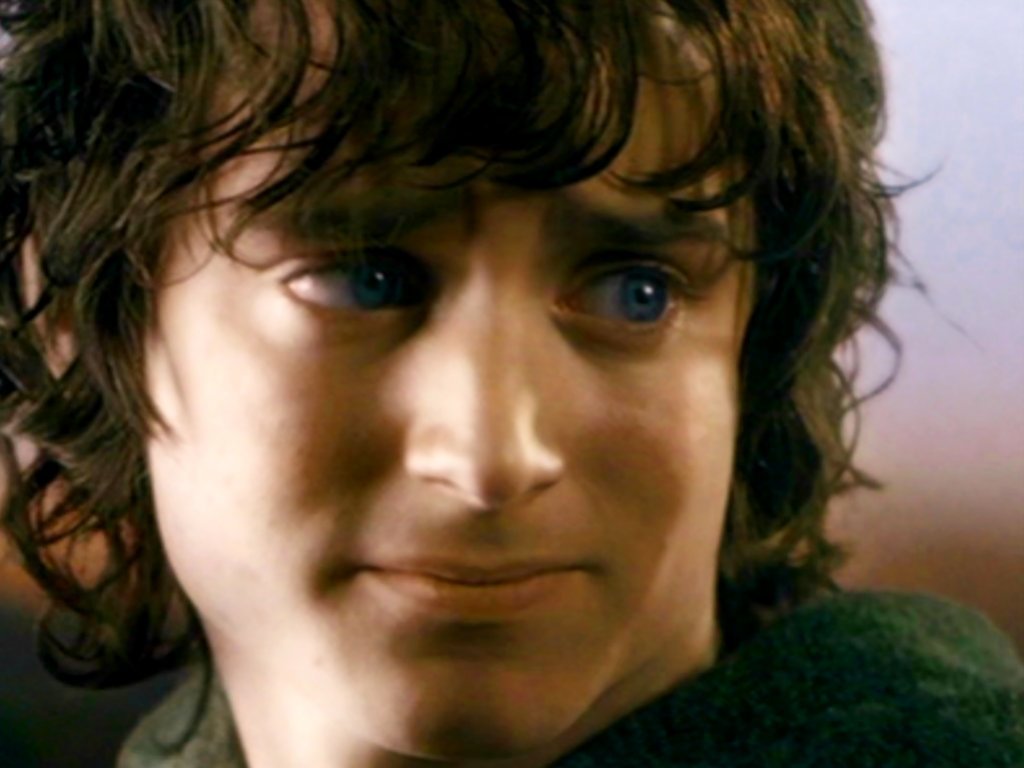
Obviously we don't see any such thing in Scripture. Frodo and is like another species of human- but Scripturally humanity started with Adam, and man is the only creation made in Imago Dei. How does this weigh in?

C. What about talking animals?

This one I'm not as bothered by. After all, both the serpent in the garden and Balaam's donkey spoke, so such things aren't Scripturally unprecedented.


3. What about the whole concept of fantasy? "Creating" something beyond what God has already created?

I don't know about this one. Whatever we do must be subject to God's Law/Word, including the worlds that we "create", but beyond that... may God give us wisdom as we seek His face. A few thoughts, though- nothing is truly beyond what God has created. Even our fantasies are bound by His Natural Law. I am amazed at how many fantastical creatures still conform to the basic template that God gave us in nature.

If we ever get to a point where we believe that our fantasies are real, there is most certainly a problem there. God has created reality for us, and that is where we belong. (Pointed glance at Avatar)


Also, we are created in God's Image, and part of that includes a desire to create, to produce, to "fill the earth and subdue it". So again I do not say that fantasy is inherently bad- simply that we must be careful, as with everything, to subject our fantasies to God.

It's something I have failed at before, and probably will in the future. Yet we repent and press on. May God's Kingdom be advanced further in our world and in all the worlds we make up.

I look forward to hearing your thoughts!

Friday, June 10, 2011

MUSIC - Phrygia

I've recently been learning about modes- scales that are different than the normal major and minor scales that we're used to. (Well, actually, they include the major and minor scales but have 5 others as well.)

So I enjoyed putting the theory into practice. Since some of the modes have a rather otherworldly sound, I think of these pieces as musical journeys into fantastical realms. :-D

The first piece (and only one, so far) is entitled Phrygia.

Composing this piece (in the Phrygian mode), I noticed that this mode seems to remove the bitter-sweetness that occurs in natural minor, leaving only an eerie and dark scale remaining.

See if you can hear the difference.

Phrygia - from the Modal Suite


(Want to read more? http://en.wikipedia.org/wiki/Phrygian_mode )

Wednesday, June 8, 2011

Is it a Horse? - on the Necessity of Cutting

Better a good 2 minutes than a boring 5...


But it's such a beautiful piano solo. That theme is worth repeating, isn't it? The director loves this shot! The crew took all day to get it- I have to cut this shot in. My mythical world is so neat that I'm sure everyone will want to read a lot of description of it, right?

And so on.

Whether you're a composer, an editor, a writer, or any other kind of creative artist, it's important to know when to cut- when it's too much.

When you're no longer putting something in because it needs to be in there, but rather because you want it to be in there.

Or maybe just because you can.

DaVinci (I think it was?), when asked how he could carve such great statues, responded thus, and I paraphrase shamelessly: "I simply cut away everything that's not a horse."

So I ask you to ask yourself- is it a horse?

Does it really need to be in there?

Composer- does that gorgeous but repetitive solo fit the arc of your piece, or does it slow it down? (Confession!)

Author- did the reader really have to know all that?

Editor- yeah, it's a gorgeous shot, but please, on with the story!

As I hack away at my piece of the week, Phrygia, I am reminded yet again how important it is to differentiate between the essentials and the accidentals, the wheat and the chaff, the story and the frills.

Trim the fat. Make it meaty.

Cut, cut, cut.

You may just be surprised how much better it is for your efforts.

"The heart of the righteous ponders how to answer, but the mouth of the wicked pours out evil things." - Pr. 15:28

Monday, June 6, 2011

Illustrated Guide to Common Film Diseases

The Hudelson Illustrated Guide to Common Film Diseases,
using illustrations from both films that I have seen and have not seen, or at least not in a while.

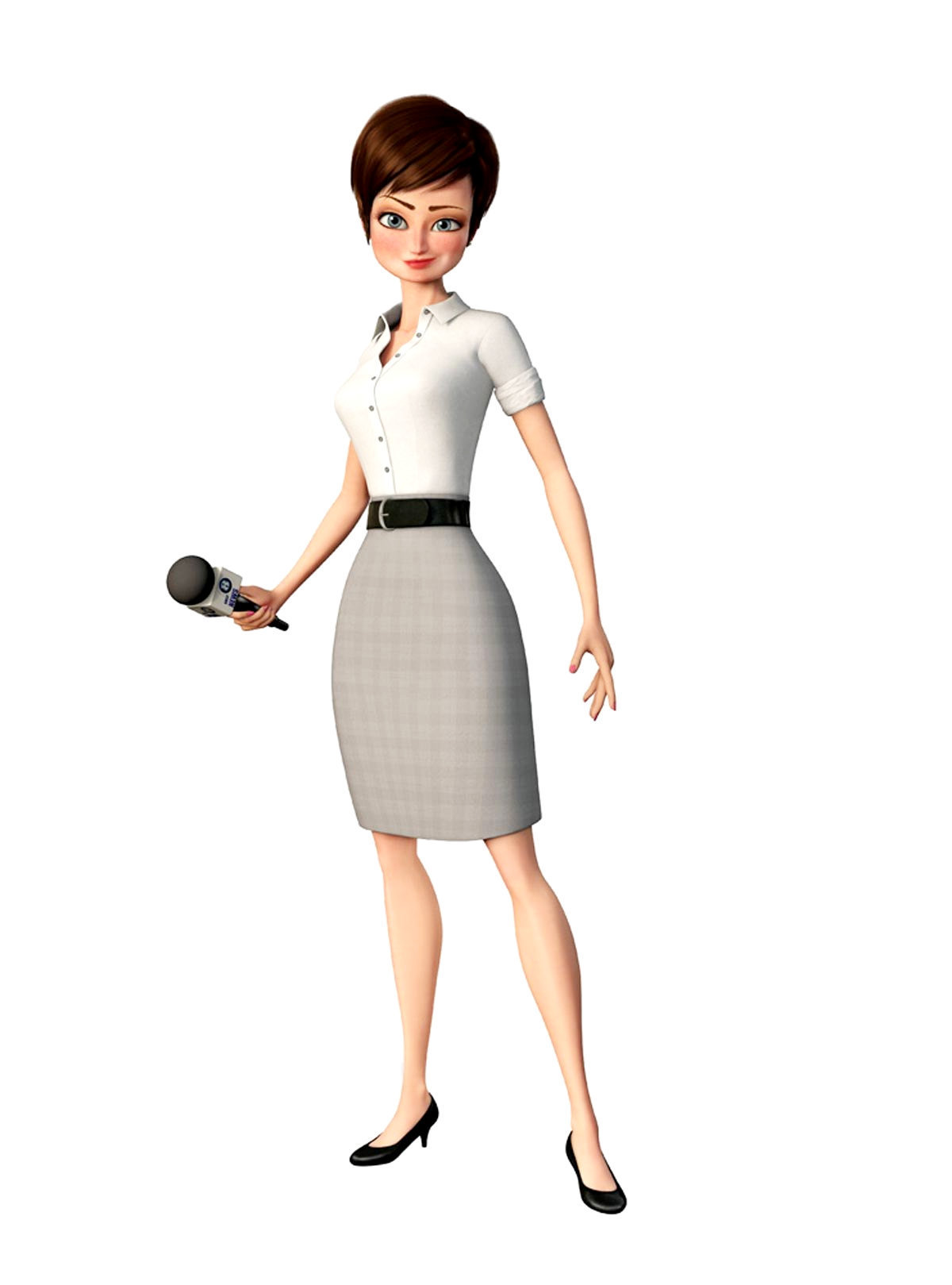
The Cool Bad Guy Syndrome (CBGS)/Heroicus Ruffianus (HR) - Any villain or confused hero is susceptible to this deadly line-blurring condition. Symptoms found in villains include the ability to be remarkably funny while engaging in abominable deeds, occasional acts of kindness that make us like them through their evil, or even simple good looks. Symptoms found in heroes include devotion to good ol' American values without any Objective foundation as well as the ability to break some Commandments while keeping enough of them to make them likeable. Often heroes suffering from CBGS/HR will be womanizers or drunkards, but still have enough of a conscience that they are cheered- which increases the danger of the audience's contraction of the disease. This condition also manifests itself in situations where something that should not be made light of is joked about or made to be cute. As you will see, this disease is very common.


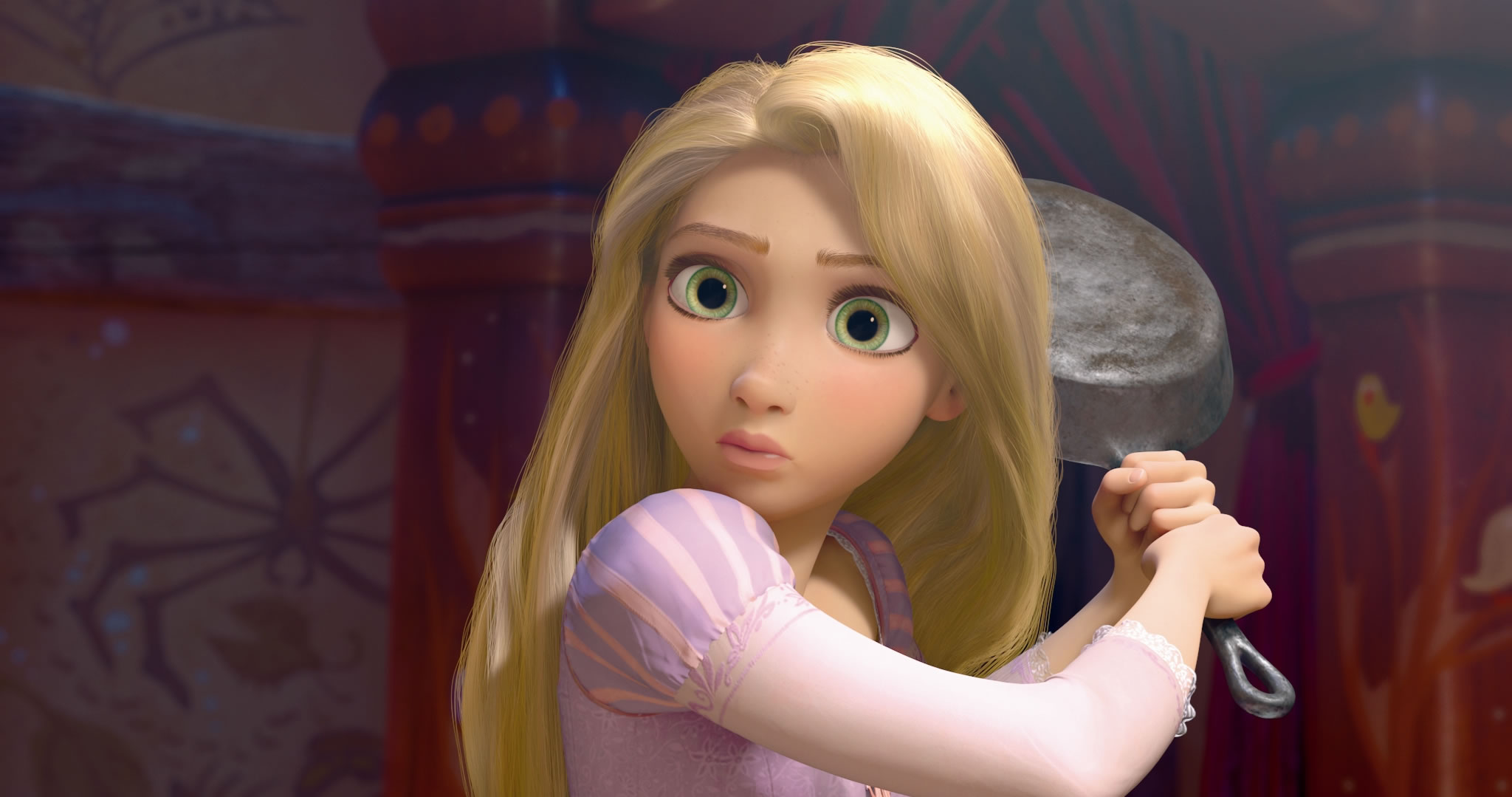
Prettygirliaetis (PGA) - This disease manifests most commonly in beautiful teenage women. It is characterized by naiveté, strong-willed attitudes, girlish conduct, and the ability to woo anyone using the eyelashes and smile. It is not rare for these young women to find themselves rebelling against their parents or God-given guardians. Victims of PGA often find themselves accompanying males of less than upstanding character- often struggling with CBGS/HS- and usually end up turning said males into their noble lovers by the end of the film. They also almost always escape from harm because of their lovely appearance and winning personality, except for the one or two times where their noble lover rescues them. This disease is very dangerous because it can connote to viewers a distorted view of reality.

(The little mermaid and Aladdin's Jasmine would also make excellent illustrations of this point, from what I recall, if they were more decently clothed.)


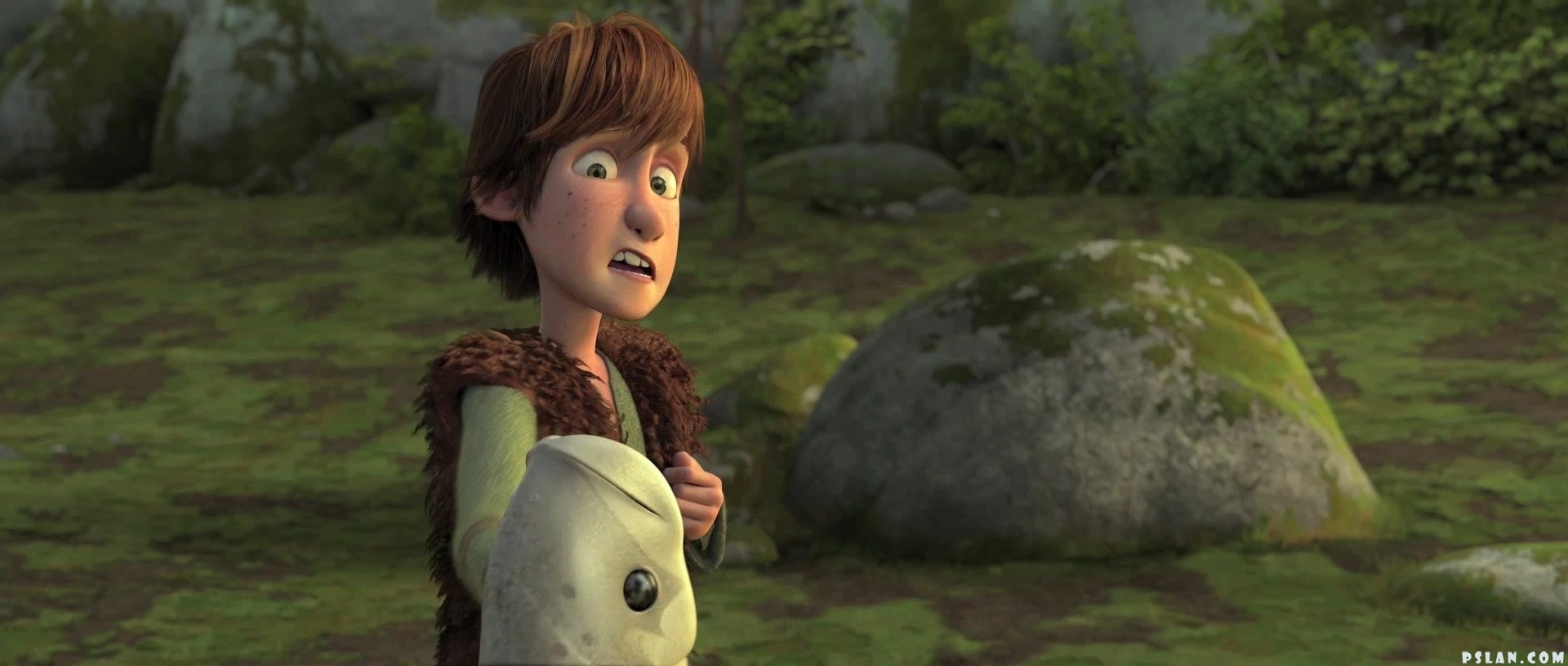
The Wimpy Hero Syndrome (WHS) - Usually only found in white males, victims of WHS are usually klutzy and incompetent, while the skills and talents they do have are despised by their authorities and community. Nevertheless, by the end of the film their use of whatever skill or talent they do have makes them popular and successful. Those suffering from WHS often find themselves infatuated with women suffering from Tomboyalisis (see below).

[A note as to my robotic illustration- Wall-E shows great heroism in the end of the film, which I much appreciate. Nevertheless, his relationship with Eve is another illustration of this stereotype.]


Tomboyalisis (TBA)
- This one is very, very common among young female film characters. Symptoms include beating up on males with WHS, always having the right answer, being remarkably strong for being so thin and shapely, being the most popular person in the community, and in general being a better man than most of the males on set. Nevertheless, young women with TBA often find that they have an irresistible attraction to young men with WHS by the end of the film- and then take the initiative in the relationship, playing a remarkable and often disturbing mixture of the man's and woman's parts.


Wiseinowneyetis (WNOI)
- This is a common condition in teenage-or-younger characters. Often cast as the hero, those suffering from WNOI often have additional struggles with WHS. They're commonly- actually, almost always- at odds with their parents. In fact, they're at odds with almost every tradition their community has ever known. And they're usually right, by the end of the film, thus encouraging the transfer of their disease to the children watching.


The Spineless Man Syndrom
e (SMS) - Almost always coupled with the Bearded Woman Syndrome, this deadly disease is typical in white males with more than 0 children. Men suffering from this disease usually show symptoms in one of two ways- either by spending a lot of time on plush house furniture watching sports, or by failing to take the Biblical role of leader in the home. Usually suffering also from Henpeckerie's Disorder, these poor fellows are mostly helpless bystanders in the affairs of their home- and worse, they often don't care.


The Bearded Woman Syndrome (BWS)
- Usually found in females married to victims of SMS, the Bearded Woman Syndrome leads to quite ugly results- women who try to play the man's role in the home- taking responsibility, putting their foot down, wearing the pants, earning the bread, nagging their husbands, and so forth. (We do have unconfirmed reports that there have been rare cases resulting in the growth of actual facial hair, but we can neither confirm nor deny such symptoms at this time.)


Henpeckerie's Disorder (HD) - Most commonly found in husbands and fathers suffering from SMS, HD usually manifests itself in the afflicted man gradually becoming apathetic, impotent, and miserable. Research has indicated that men married to women with BWS are up to three times more likely to suffer from Henpeckerie's Disorder.


Stupidgaeitis (SG)
- Found in many male characters in family films and especially comedies, and very similar to the Wimpy Hero Syndrome, symptoms of SG include an initiative-free, nowhere-going infatuation with pretty girls (who in their turn, again, often suffer from TBA) , total ineptitude at most things useful, and often either geeky knowledge of one or two things or exceptional physical strength at the expense of any intelligence whatsoever. Usually victims of Stupidgaeitis are not respected in their community, and though they provide comic relief they are far from model men. This disease very, very rarely will make an appearance in a female, usually an older aunt who struggles with her weight.


Parentus Withitus (PW)
- The poor adults that suffer from this condition are constantly attempting to build their relationship with their children by proving that they are "cool". This may manifest in a variety of ways, including wearing flat-brimmed baseball caps sideways, speaking with ridiculous use of slang, or trying to "hang" with the "in-crowd", thinking all the while that it really impresses the younger generation. The result is usually that the parents in question make fools of themselves, and the children (who often themselves struggle with Wiseinowneyetis) end up despising their parents even more, which only continues the downward spiral of disintegrated families. It is not uncommon for one parent, having been exposed to Parentus Withitus, to then undermine the authority of the other parent in an attempt to win the affection of their child. This further damages the authority structure of the family and causes breaks in relationships, leading to spoiled children with increasingly deadly levels of WNOI. My mother noticed this particular facet of this disease in a Tide commercial which went something like this: a man saw a mini-skirt (or "sk") in his home and promptly threw it away. The man's wife, seeing the sk in the garbage, took it out, washed it- with Tide of course- and gave it to their daughter. Later, the daughter kisses her father goodbye and traipses off thus clothed (or perhaps thus unclothed), while the father stares in shock and the mother winks at her daughter.

Any other illustrative suggestions on this or in any other category are much appreciated.

Patriarchus Tyrannicus (PT) - This is a saddening condition which causes the father to, while possibly not even doing anything wrong, appear to the audience as an evil tyrant. The child/children, usually suffering from one or more conditions above, are vindicated rebels by the end of the film, and while usually both parties apologize it is the tyrannical patriarch that was the bad guy all along. Very sad to see.


Youngus Hottius (YH) - This deadly disease can be found primarily in young males, who seem to instantly win the affection of any woman they come into contact with using soft glances and softer speech. While usually they stay faithful and devoted in the film, this disease, once spread into the real world, infects with deadly amounts of real and unexpected consequences. This disease causes such horrifying mutations that we shall spare you pictures of the victims of Youngus Hottius. Simply naming the young Russian from Fiddler on the Roof should suffice.

Pooris Animalis Syndrome (PAS) - This often infects the audience, and causes us to pity the animals and despise the humans hunting them, when the humans, in fact, are doing nothing wrong, and are indeed taking dominion of God's Creation as commanded in Genesis. Of course, to assist in the contraction of PAS, the filmmakers often make the hunters evil in other truly disturbing and sinful areas. Audiences should be aware of this environmentalist disease.


The diagnoses for all of these diseases is remarkably simple. Take regular, large doses of Scripture, coupled with prayer, a few sound spankings, and plenty of sleep. Detox using supplements of repentance. Healing is almost certain. And be sure to pass this list around, because few are aware of these diseases- and because I like getting more readers to my blog. :-)

By the way, we're actually very excited when we find characters in film not suffering from these diseases- sightings are very rare, and very precious.


We'd like to see more.

(P.S. - I'm currently reading a draft of an e-book called Red Rain by Aubrey Hansen - http://aubreyhansen.blogspot.com/ - and am thoroughly enjoying the lack of these diseases in said book so far. Stay posted for updates on that one.)

Thursday, June 2, 2011

MUSIC - Slapstick Etude

Ladies and gentlemen, it's Thursday- which means that it is Piece of the Week day!

This one is the score to an action-comedy that I composed for recently. Please enjoy, subscribe, comment, rate, and all those beautiful social-networking things. :-D

Slapstick Étude

Tuesday, May 31, 2011

MUSIC - Friday at Noon Soundtrack Available for Purchase!


Praise The LORD, my first CD release is available for purchase at a two-week kick-off price of $8.00! Buy your own copy at fridayatnoon.com/shop!

This album contains just over an hour of music, including extras not heard in the film, and it ranges from soft piano lullabyes to the weeping of a solo violin to the intensity of orchestral action music. Here's the main theme - Track 1 from the album, entitled "Someone Will Pay."